
UK Raises Student Visa Proof of Funds to £14,130 From November 30
Last updated: September 2026
The UK Home Office, through Statement of Changes HC 584 laid before Parliament on 3 September 2026, has raised the money that international students must show in their bank accounts to qualify for a Student visa. The new amounts take effect on 30 November 2026, and the maximum a student heading to London for a nine-month course will need to demonstrate rises to £14,130 — roughly $19,100 — up from £13,761. Anyone who submits their application before 30 November is assessed against the lower, current figures; everyone after that date must show the new amounts in full.
The Full New Numbers: Before and After November 30
The table below summarises the change the Home Office confirmed in the official HC 584 statement, compared with the amounts valid until 29 November 2026:
| Maintenance requirement | Current (until 29 Nov 2026) | New (from 30 Nov 2026) | Increase |
|---|---|---|---|
| Per month — inside London | £1,529 | £1,570 | ~2.7% |
| 9-month total — inside London | £13,761 | £14,130 | ~2.7% |
| Per month — outside London | £1,171 | £1,203 | ~2.7% |
| 9-month total — outside London | £10,539 | £10,827 | ~2.7% |
None of this covers tuition. On top of the maintenance figure, applicants must show enough money for one academic year of course fees exactly as stated on their Confirmation of Acceptance for Studies (CAS). The Home Office's stated rationale for the uplift is alignment with the maintenance loans the UK government grants its own domestic students for the 2026–2027 academic year.
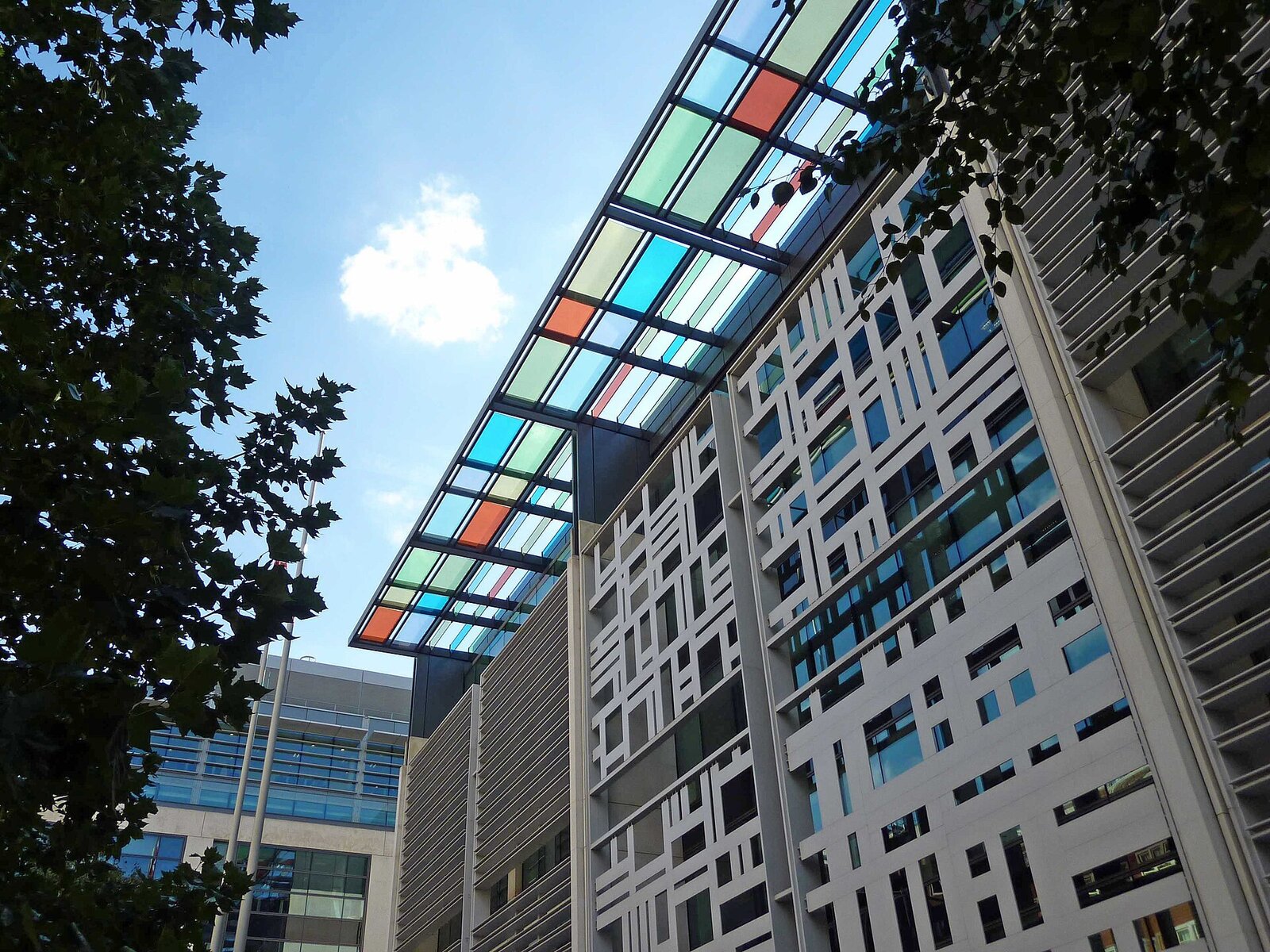
Source: Wikimedia Commons — Home Office, 2 Marsham Street (CC BY-SA 2.0)

What This Means for You: Three Scenarios
Scenario one — you can apply before 30 November 2026. You benefit the most. Your application is assessed against the current, lower figures: £1,529 per month inside London and £1,171 outside. If you are targeting the January 2027 intake and your documents are nearly ready, this is the window to move; every week of delay now carries a measurable cost in the bank statement you will need.
Scenario two — you are applying in December or later. Prepare a statement reflecting the new amounts in full: £1,570 per month inside London (up to nine months, £14,130) or £1,203 per month outside (£10,827 for a nine-month course). Applicants from Nigeria, Ghana, India, Pakistan, Bangladesh, Nepal and most countries across Africa and Asia routinely budget to these caps, and the 2026 uplift adds several hundred pounds to each of those budgets.
Scenario three — you hold a passport from a listed country. The UK operates a "differential evidence requirement": nationals of a short list of mostly European, Western and Gulf states do not have to submit financial evidence upfront. The overwhelming majority of international students — including applicants from Nigeria, India, Pakistan, Ghana, Kenya, Egypt and Morocco — are not on that list and must show real funds in a real bank account.
It is also worth remembering the broader context: since 2024, most taught postgraduate students have been barred from bringing dependants, and sponsored study visa numbers have been sliding — roughly 365,868 in the year ending June 2026, down 12%. We analysed what that decline means for international applicants, including approval patterns by region, in UK Student Visa Applications Fall 11% to 381,500.
How to Prove Your Funds So the Application Survives
The evidential rules themselves did not change with the new amounts, but a single slip invalidates an otherwise perfect file:
- The 28-consecutive-day rule. The required amount (or more) must sit in your account for at least 28 consecutive days, never dipping below the threshold — not even for one day.
- The 31-day window. The final day of that 28-day period must fall within the 31 days before you submit the online application. Older statements are rejected outright.
- Acceptable accounts. Your own account at a recognised bank, a parent's or legal guardian's account with proof of the relationship, an official government-backed student loan, or a recognised fully-funded scholarship award.
- Currency does not matter; the amount does. You can hold the money in naira, rupees, cedis, shillings or dirhams provided the balance equals the sterling requirement at the exchange rate on the day you apply.
- Budget for the fixed costs above the maintenance money. The visa application fee itself (around £558) and the Immigration Health Surcharge (£776 per year of the visa) sit on top of the maintenance figure and are non-refundable if the application fails.
If the balance is the obstacle, the smarter route is not abandoning the plan but restructuring it: fully-funded scholarship opportunities updated daily on Truescho cover tuition and living costs together, and the Apply for Me service catches the documentation errors that sink self-prepared files.
Source: Wikimedia Commons — Home Office Armistice Day Event (CC BY 2.0)

How Much Do You Actually Need? Worked Examples
The famous figure — £14,130 — is the ceiling, not the universal rule: maintenance is calculated by multiplying the monthly rate by the length of your course, capped at nine months. The following examples use the new rates effective 30 November:
| Your situation | Calculation | Maintenance to show (living costs only) |
|---|---|---|
| 9-month master's inside London | £1,570 × 9 | £14,130 |
| 9-month master's outside London | £1,203 × 9 | £10,827 |
| 6-month diploma outside London | £1,203 × 6 | £7,218 |
| 3-month short programme inside London | £1,570 × 3 | £4,710 |
| 12-month course outside London | £1,203 × 9 (capped at 9 months) | £10,827 |
Note the final row carefully: however long your course runs beyond nine months, the maintenance ceiling is still calculated on nine months only — but a full academic year of tuition fees remains payable on top, exactly as stated on your CAS. Many applicants to year-long programmes park a full year of living costs in their accounts unnecessarily, when the official requirement is the nine-month cap.
Why the UK Is Raising the Bar Now
The increase does not stand alone. It extends a tightening sequence that began in 2024: the dependant ban for taught masters students, restrictions on switching from a study visa to a work visa mid-course, and now this uplift, benchmarked to domestic maintenance loans. The visible result in official data is a sustained fall in applications — yet universities have responded by extending more flexible offer terms to serious applicants with clean financial files, because those applicants are exactly what the sector is competing for after the volume retreat.
Nor is the UK alone. France raised its student subsistence requirement by 43% to €877.50 per month, and Australia lifted its student visa fee to AUD 2,000 while grant rates slipped to 59%. The rational applicant today compares destinations by numbers, not impressions — a comparison we maintain in the Studying in the UK 2026 guide and the country guides across the site.
Questions Applicants Are Asking Before November 30
Do I benefit from the old amounts if I apply before 30 November but the decision comes later?
Yes. What counts is the date of application, not the date of decision. Applications submitted up to 29 November 2026 are assessed against the current threshold — £1,529 per month inside London and £1,171 outside — even if the caseworker decides weeks later.
Must the money be in my own personal account?
Not necessarily. The Home Office accepts your own account at a recognised bank, a parent's or legal guardian's account with evidence of the relationship, an official government student loan, or a recognised fully-funded scholarship. Joint accounts with friends or distant relatives are routinely rejected.
Can I show the funds in my local currency?
Yes. Funds may be held in any currency as long as the balance equals the sterling requirement at the exchange rate on the day you apply. Keep a safety margin of roughly 5% to absorb exchange-rate movement between the statement date and the submission date.
What if my balance dips below the threshold for a single day during the 28 days?
The evidence fails. The 28-day rule is strict: the closing balance must never fall under the required figure on any single day of the period covered by the statement. It is one of the most common refusal triggers among self-prepared applications.
Did the visa fee or health surcharge change in this statement?
No. HC 584 raised the maintenance amounts only. The Student visa application fee (around £558) and the Immigration Health Surcharge (£776 per year) remain unchanged, but both are payable on top of the maintenance money you demonstrate.
Your Next Move
The practical summary: between 3 September and 30 November 2026 there is a closing window. Park the required amount — old or new — in a bank account today, because the 28-day clock needs a full month to run before your statement becomes valid, and secure your CAS early. If your budget cannot stretch, fully-funded scholarships are the alternative route that does not require a bank statement of this size: the Chevening 2027 deadline closes in early October, with the Erasmus Mundus season opening right behind it. Applicants who want a professional review of their file before submission can use the Truescho consultants service.
Sources
- Statement of changes to the Immigration Rules: HC 584 — GOV.UK (3 September 2026)
- Money you need for a Student visa — GOV.UK
- UK visas: South African students face steep new financial threshold — SAPeople (9 September 2026)
- UK raises Student visa funding requirement to $19,100 — Business Insider Africa (8 September 2026)
- Moroccan students will need to show up to MAD 178,800 — Hespress English (6 September 2026)