

Spain Approves Citizenship for Sahrawis Born Before 1977 — No Residence Required
Last updated: September 14, 2026 — facts verified against the September 10, 2026 vote in Spain's Congress and reporting by Reuters, Al Jazeera, Euronews and El País
In a historic session on Thursday, September 10, 2026, Spain's Congress of Deputies (the lower house of the Spanish Parliament) approved a bill granting Spanish nationality to Sahrawis born before September 29, 1977 under Spanish administration of Western Sahara — and to their children through naturalization — without requiring any residence in Spain, past or present. The vote passed with 168 in favor, 31 against, and 145 abstentions. The decision opens a new legal pathway for tens of thousands of Sahrawis, whether they live in the refugee camps around Tindouf in southwestern Algeria or in the southern provinces of Morocco, and puts them on a path toward a passport that belongs to the European Union.
This guide explains exactly what happened in the vote, who qualifies, how many people could benefit, what must happen before the law takes effect, and what it all means in practice — in plain, neutral language that takes no side in the region's political dispute.
What exactly happened in the Spanish Congress?
The text approved by the lower house is a bill (proposición de ley) introduced by Sumar, the junior partner in Spain's governing coalition alongside the Socialist Workers' Party (PSOE). The vote broke down as follows:
| Parliamentary group | Position |
|---|---|
| Socialist Party (PSOE) and Sumar | In favor (with other groups) |
| Conservative People's Party (PP) | Abstained |
| Far-right Vox | Against |
The final tally was 168 votes in favor, 31 against, and 145 abstentions, as reported by Reuters and Euronews. Deputy Tesh Sidi of Sumar — the first woman of Sahrawi origin in Spain's Parliament — said the law "restores" the Spanish national identity card to those Sahrawis who once held it, referencing the official Spanish documents that circulated in Western Sahara during the Spanish colonial administration.
Who qualifies under the bill?
The text defines two main categories:
- Sahrawis born before September 29, 1977 — anyone born in Western Sahara while Spain administered the territory (Spain withdrew under the 1975–1976 Madrid Accords with Morocco and Mauritania). The cutoff date marks the end of the official Spanish period.
- Children of eligible persons — they qualify through naturalization, not automatically at birth, meaning each case goes through an individual application.
The most remarkable feature — and the one that separates this bill from Spain's ordinary naturalization rules — is the complete absence of a residence requirement. The text applies "even if they never resided in Spain," according to Al Jazeera's report. Standard Spanish nationality law, by contrast, normally requires between two and ten years of legal residence depending on the applicant's nationality and ties to Spain.
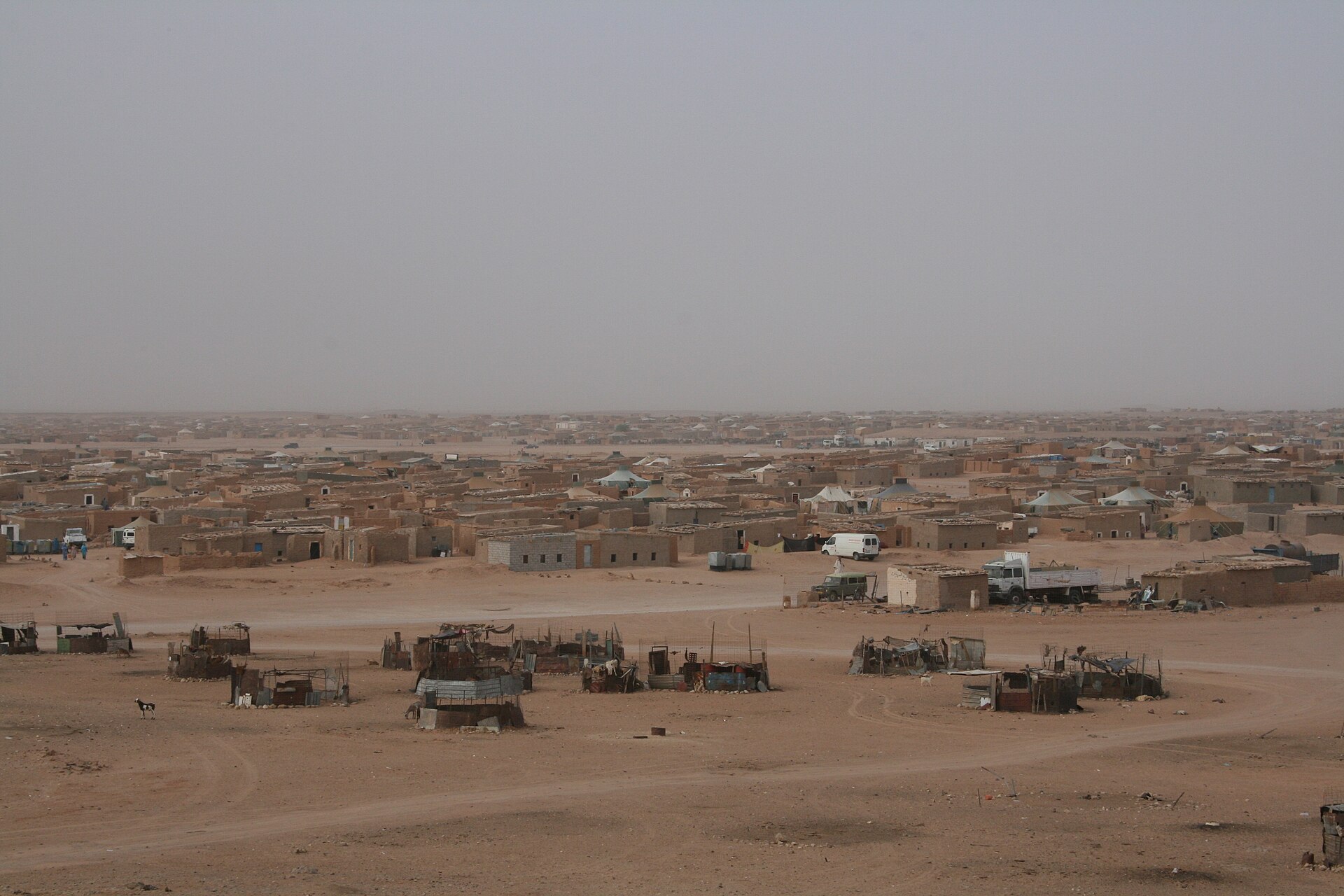
Source: photo by Jørn Sund-Henriksen via Wikimedia Commons (CC BY-SA 3.0)
How many people could benefit?
Estimates vary widely, and honesty requires reporting the spread: Sahrawi organizations estimate between 70,000 and 120,000 potential beneficiaries, while some international coverage has cited a rough figure of up to 200,000 with no official source confirming it. The exact number is unknown — no comprehensive registry of the eligible population exists, and population figures for both the Tindouf camps and the southern provinces have been contested for decades.
What is certain is that most of the target group lives in one of two places: the refugee camps near Tindouf in Algeria (established in the mid-1970s) or the southern Moroccan provinces such as Laayoune and Dakhla. This is the third time in just over a decade that Spain has opened a comparable door to a group tied to its history: between 2015 and 2019 the Sephardic program granted nationality to thousands of applicants with no residence requirement, and the 2022 Democratic Memory Law did the same for descendants of Republican exiles.
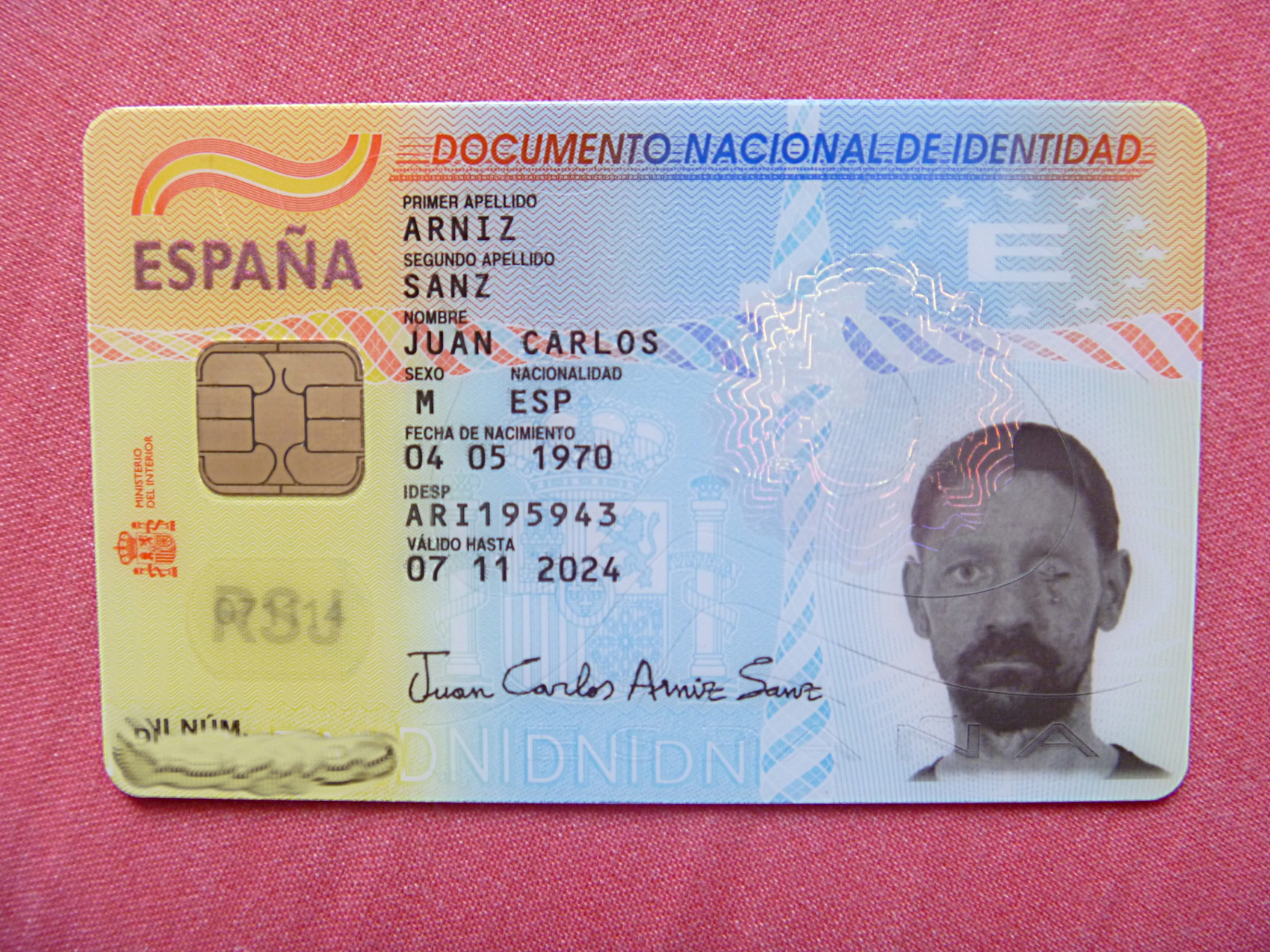
Source: Wikimedia Commons (CC0)
Why now? The context behind the vote
The vote did not happen in a vacuum. Three threads of context matter:
- The Ceuta migration crisis. At least 70,000 migrants arrived in Spain from Morocco in July 2026 alone — one of the largest crossing waves the enclave has seen. Madrid avoided officially blaming Rabat, while the Spanish right accused the government of looking away.
- Domestic political competition. The bill arrived amid a hardening tone on immigration and nationality across several European governments, and ahead of a contested electoral cycle in Spain.
- A legal precedent. The bill follows the same legal logic Spain already applied to Sephardic Jews (2015–2019) and to descendants of Republican exiles (Democratic Memory Law, 2022) — recognizing a historical bond rather than rewarding residence.
What this means for you in practice
If you belong to one of the eligible categories — or your parents do — these are the practical points to understand before doing anything else:
- The law is not in force yet. What happened on September 10, 2026 was approval by the lower house. The bill now goes to the Spanish Senate, where amendments are expected, then returns to the Congress for a final vote before royal sanction and publication in the Official State Gazette (BOE). There is no official application channel open today, and anyone claiming otherwise is misleading you.
- Spanish nationality means EU citizenship. A Spanish passport allows you to live, work and study in any EU or EEA country, travel visa-free across the Schengen Area, and carries one of the world's strongest passports by mobility rankings.
- The children's route is different from the parents' route. The first category (born before 1977) qualifies directly under the bill's text, while children go through naturalization — an individual process that requires documented proof of parentage.
- Whether you keep your current nationality is an open question. The Spanish Civil Code generally requires naturalized citizens to renounce their prior nationality, with exceptions for a specific list of countries (Latin American states, Andorra, the Philippines, Equatorial Guinea and Portugal). The final text after the Senate will determine whether Sahrawis are exempt. Morocco, notably, does not categorically bar its citizens from holding a second nationality in such cases — but practical enforcement depends on the final Spanish text.
- Start gathering documents now. Certified birth records, civil registry documents from the Spanish era where they exist, and proof of parentage for children's applications — all of this will be required later, and preparing early saves months of delays once procedures open.
How Morocco and Algeria factor in — a neutral read
The file is regionally sensitive, so positions are reported as stated: the Moroccan government has issued no official condemnation of the move as of this writing, and Al Jazeera quoted Ramadan Messaoud of the Royal Advisory Council for Saharan Affairs saying in July that Rabat had "no problem" with Sahrawis obtaining Spanish citizenship. International press nonetheless described the vote as a new test for Madrid–Rabat ties. Meanwhile, a large share of the eligible population has lived in the Tindouf camps in Algeria since the mid-1970s; the Polisario Front seeks an independent state in the territory, while Morocco considers it Moroccan land. This article does not enter that debate — its job is to explain what the Spanish law does for those who qualify.
Next steps: a realistic timeline
| Stage | Body | Status |
|---|---|---|
| Approval in principle | Congress of Deputies | Done — September 10, 2026 (168/31/145) |
| Debate and amendments | Senate | Expected — dates not set |
| Final approval | Congress of Deputies | Later, after the Senate |
| Royal sanction and publication | Government and the BOE | After final approval |
| Applications open | Ministry of Justice / civil registry | Requires implementing regulations |
Based on the Sephardic and Memory Law precedents, implementing regulations typically take months after enactment, and processing hundreds of thousands of potential applications can stretch across years. If you are serious about benefiting, early document preparation is the one thing fully in your control today.
What this changes for study and career plans in Europe
Changes to European nationality and residence rules matter beyond this one community: Spain has been one of Europe's more open doors for international students and remote workers — our guide to the Spain digital nomad visa in 2026 explains that route in detail — while other European doors are narrowing, as with the end of Latvia's golden visa in September 2026. You can also browse the latest open scholarships and opportunities on Truescho, or get a free consultation to map out a realistic European plan.
Frequently asked questions about Spain's Sahrawi citizenship bill
Is the law already in force after the September 10, 2026 vote?
No. The vote was the lower house's approval of the bill. The text must pass the Senate, return to the Congress for a final vote, and be published in Spain's Official State Gazette before it takes effect and applications open.
Does the bill require living in Spain?
No. The text applies even to people who have never resided in Spain — the single biggest difference from ordinary naturalization rules.
Will beneficiaries have to give up their current nationality?
The final text after Senate amendments will decide. General Spanish law requires naturalized citizens to renounce their prior nationality except for a specific list of countries, and the current bill does not spell out a full exemption for Sahrawis.
I was born in 1980 and my father in 1970 in Western Sahara — do I qualify?
Under the bill's text: your father falls in the first category (born before September 29, 1977), and you fall in the children's category, eligible through an individual naturalization application with documented proof of parentage.
Where do I follow the official announcement when applications open?
The official channels are Spain's Official State Gazette (BOE), the Spanish Congress website, and the Ministry of Justice, with detailed coverage from Euronews and El País.
Sources and references
- Al Jazeera — Spain's Parliament backs citizenship for Western Saharans born before 1977
- Euronews — Spanish parliament backs granting citizenship to Western Saharans
- El País — Spain moves forward with law granting citizenship to Sahrawis
- Congress of Deputies — official website
- Spanish Official State Gazette (BOE)
Start your plan with Truescho today
European nationality and residence rules open doors and close them quickly. Whether you may be eligible under this law or you are searching for fully funded scholarships and legal work pathways in Europe, Truescho helps you organize your file and documents before the doors open — because those who prepare early apply first. Browse today's opportunities or talk to our consultants.