
Saudi Arabia's SR100,000 Illegal-Worker Fines and Five-Year Hiring Bans: What Expat Workers Must Check Now
Last updated: September 23, 2026
Saudi Arabia's Ministry of Interior warned on 21-22 September 2026 (first report by Saudi Gazette, then Gulf News) that businesses employing expatriates who violate residency and labour regulations face fines of up to SR100,000 (about $26,700), a five-year ban on recruiting workers from abroad, and up to one year in prison for the manager responsible — plus deportation if that manager is an expatriate. The warning, first reported by Saudi Gazette and picked up across Gulf media, is formally addressed to employers. But it quietly redraws the risk map for millions of migrant workers too: anyone from India, Pakistan, Bangladesh, the Philippines, Nepal, Kenya or Egypt who accepts a job outside their sponsor's scope — or joins a business that runs on borrowed visas — is standing on the wrong side of a crackdown that has just become dramatically more expensive. This guide breaks down the announced penalties, the three violation categories they cover, and the practical steps any expat worker can take this week to make sure their file is clean.
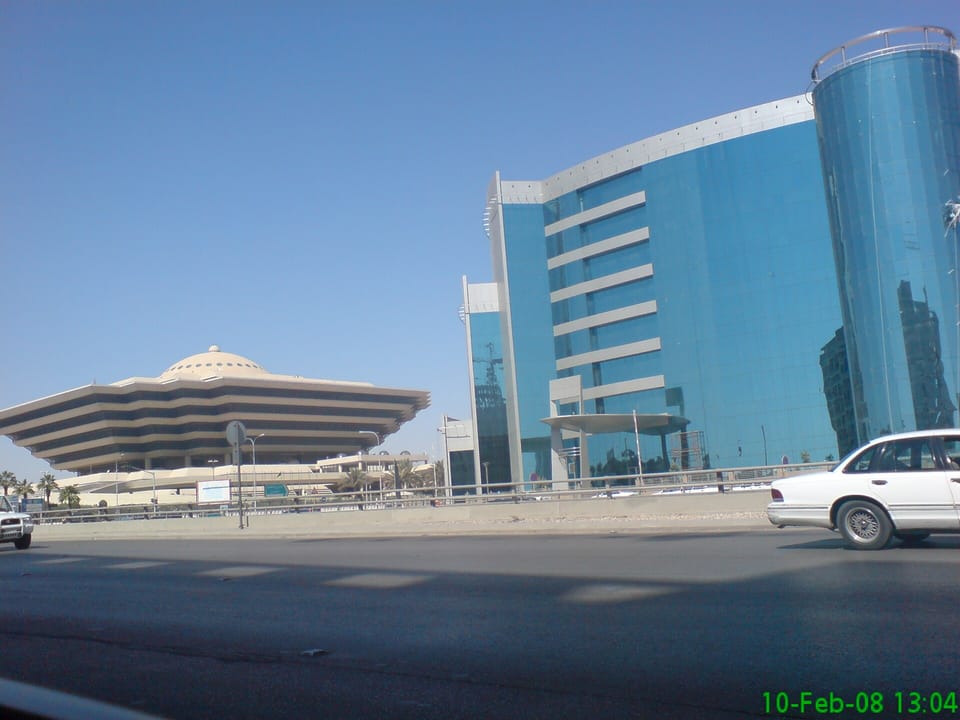
Source: official photo of the Ministry of Interior via Wikimedia Commons — public domain

What the Ministry of Interior actually announced
The statement came from the Ministry of Interior as part of its running campaign against violations of residency, labour and border-security regulations. Gulf News reported the details on September 22, 2026, citing Saudi Gazette. The penalties stack up as follows:
- A fine of up to SR100,000 on any establishment that employs expatriates in violation of residency or labour rules.
- A recruitment ban of up to five years — the offending business can be barred from hiring workers from abroad entirely, which for most Saudi SMEs is close to an operational freeze.
- Up to one year in prison for the responsible manager, with deportation if the manager is himself an expatriate.
- Public naming of the offending establishment — a reputational penalty that follows the business long after the fine is paid.
The message between the lines is that illegal employment — locally called tasattur, or cover sponsorship — is no longer treated as a paperwork offence. It is now managed as a national security and labour-market file, with penalties designed to make the cheapest hiring shortcut existential for the business.
The three violation categories on the list
The Ministry's warning explicitly covers three patterns of illegal employment. All three are common across retail, hospitality, construction and logistics — the sectors where migrant workers concentrate:
| Pattern | What it means | Who pays |
|---|---|---|
| Employing a violator | A business hires someone whose residency has expired or who never held a work visa | The establishment and its responsible manager |
| Letting workers moonlight | An employer allows its staff to work for themselves or for other employers | The original sponsor and the benefiting business |
| Hiring other firms' workers | A shop or contractor staffs up with workers registered under other companies' visas | The receiving establishment |
Look closely at the second row, because it is the one that surprises people. The penalty does not only fall on whoever employs a violator — it equally falls on whoever allows their own workers to take outside jobs. An employer who turns a blind eye while his driver or barista runs deliveries for another business after hours is exposing himself to the SR100,000 fine and the five-year recruitment ban. For workers, this means the "my sponsor doesn't mind" argument no longer protects anyone: the sponsor cannot lawfully mind less than the Ministry does.

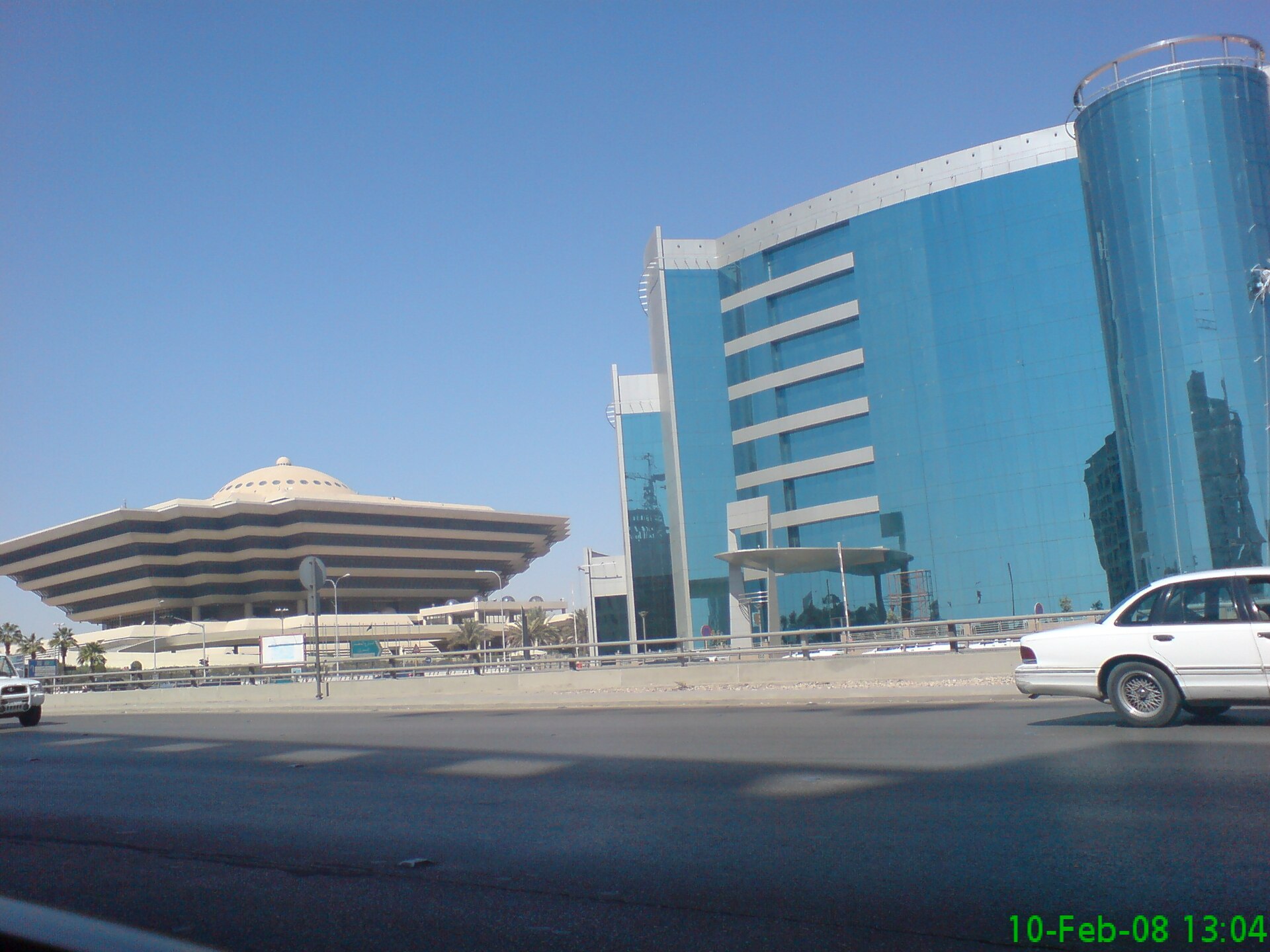
Source: Wikimedia Commons — CC BY-SA 3.0

What this means for you as an expat worker
The announced fines target employers, but expatriate workers face a parallel penalty system of their own — including a separate SR50,000 fine for working for oneself that the Interior Ministry has warned about in the same enforcement drive, and deportation with multi-year re-entry bans for residency violations. Here is a four-step protection plan:
- Check your residency status today on the Absher portal. Confirm your Iqama is valid and — critically — that your registered profession matches your actual job. A mismatch between the occupation printed on your residency card and the work you really do is the single most common trap workers fall into during inspection campaigns.
- Verify your contract is documented in Qiwa, Saudi Arabia's labour platform. An undocumented verbal contract protects no one, and contract documentation through Qiwa is now mandatory under the Saudi Labour Law. Our full guide to the new Saudi Labour Law and employer compliance explains what a compliant file looks like from the inside.
- Refuse any job outside your current sponsorship, however attractive the side income looks. If you genuinely want to work for a different employer, the lawful route is a transfer of services — far easier than it used to be, as we explain in the guide to transferring sponsorship in Saudi Arabia.
- If you work independently, get the freelance permit. Saudi Arabia now issues freelance work permits through the Qiwa platform for defined professions, letting expatriates document independent income fully or partially instead of drifting into cover-sponsorship territory.
And if you are weighing staying undocumented versus exiting and returning later, remember that exits and re-entries run on strict rules of their own: reviewing Saudi exit and re-entry visa rules before you book anything saves both fines and future visa refusals.
Why the crackdown is intensifying now
This warning did not appear in a vacuum. Saudi Arabia is mid-way through the deepest restructuring of its labour market in decades: a rewritten Labour Law, expanding Saudization quotas across professions and job families, unified digital recruitment platforms, and a sustained attack on the cover-sponsorship economy, which state economists estimate drains billions of riyals a year from the formal economy. Recent months alone brought successive decisions — raised Saudization thresholds for defined professional roles, and a new framework for work-visa quotas for newly established companies in Saudi Arabia.
The equation the state wants is simple to state: every worker documented by contract, profession and salary through Qiwa and Mudad, and no market at all for anyone renting out someone else's sponsorship. Each new warning historically signals a higher probability of inspection waves in labour-intensive sectors: cafés, restaurants, small retail, contracting and transport.
How to report — and what to do if you are the violator
The Ministry confirmed that reports about residency, labour and border-security violations are treated with complete confidentiality and that the person reporting bears no liability:
- Call 911 in Makkah, Madinah, Riyadh and the Eastern Province.
- Call 999 everywhere else in the Kingdom.
If you are the one out of status, the math strongly favours fixing the file over waiting: correcting your position through a sponsorship transfer or a freelance permit where eligible, or exiting lawfully, costs a fraction of what deportation plus a re-entry ban costs a career built in the Gulf. Keep your Iqama renewed on time as well — late-renewal fines compound quickly, and the steps and fees are laid out in our guide to Iqama renewal in Saudi Arabia.
Frequently asked questions
Does the worker pay the SR100,000 fine too, or only the employer?
The announced SR100,000 fine, recruitment ban and manager's imprisonment apply to the establishment and its manager. The worker in violation faces a parallel system: fines up to SR50,000 for self-employment, deportation upon confirmation of the violation, and re-entry bans whose length depends on the violation type.
I am legally sponsored by one company but take extra tasks for another after hours. Am I at risk?
Yes. The warning explicitly covers employing workers registered with other businesses, and after-hours work for a non-sponsor is by definition illegal employment for both sides — you and the business benefiting from your work. The safe routes are a freelance permit or a formal transfer of services.
Does the crackdown cover domestic workers?
The warning is addressed to establishments, but the underlying rule is the same: employing anyone in violation, or allowing them to work for others, is an offence in its own right. Households that let domestic staff take outside jobs fall under the same text in practice.
How do I verify a company is compliant before accepting its offer?
Ask to see your contract documented in Qiwa before signing, confirm the profession on your visa and Iqama matches the actual role, and check the salary will run through the Wage Protection System (Mudad). Evasiveness on any of those three points is a loud warning signal.
What makes this different from previous cover-sponsorship penalties?
Scale and structure. The fine ceiling rose to SR100,000, the five-year recruitment ban attacks the business's ability to grow rather than just its wallet, the responsible manager faces personal imprisonment, and establishments can be publicly named. Together they convert a compliance cost into a survival risk.
The bottom line
The Interior Ministry's latest warning resets the priorities of every expatriate worker in Saudi Arabia: the legality of your file is no longer an administrative detail — it is the first line of defence for your income and your ability to stay in the Kingdom. Check your Iqama, contract and registered profession this week; decline any file that puts you on someone else's sponsorship; and use the lawful routes — sponsorship transfer and the freelance permit — instead of a grey zone whose penalties just expanded to both sides of the table. For verified international job and opportunity listings, follow the updated opportunities feed on Truescho.
Sources
- Gulf News — Saudi Arabia warns firms of SR100,000 fines, recruitment ban over illegal workers (September 22, 2026)
- Saudi Gazette — "Firms hiring illegal workers face SR100,000 fines, warns Interior Ministry" (September 21, 2026) — first report of the official statement
- Absher — residency status inquiry