
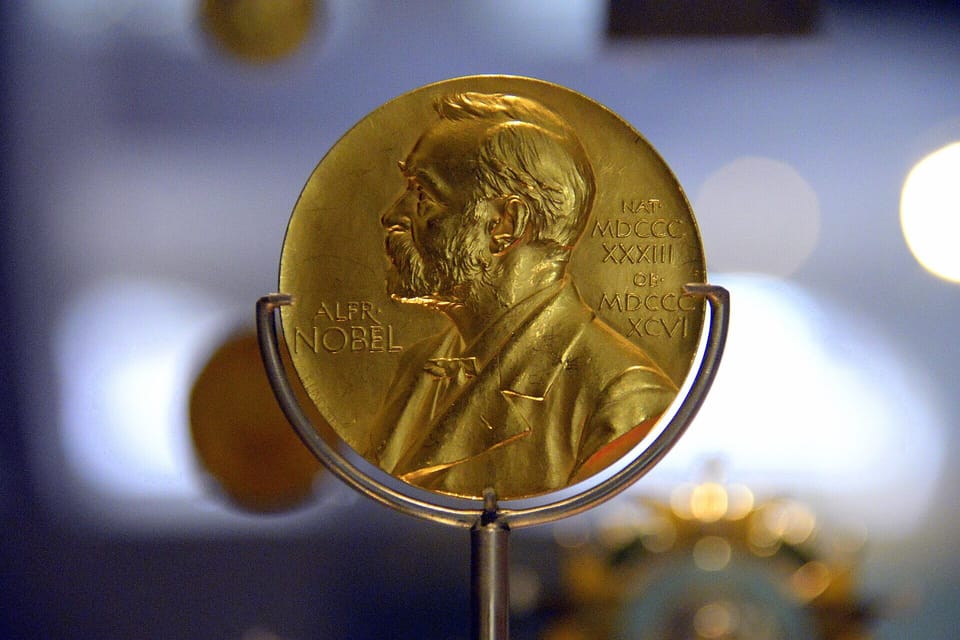
Nobel Prize in Medicine 2026: Three Scientists Who Turned Algal Light Into a Switch for Brain Cells
At 11:45 on Monday morning, 5 October 2026, the Nobel Assembly at the Karolinska Institutet in Sweden announced that the 2026 Nobel Prize in Physiology or Medicine will be shared equally by three scientists: Karl Deisseroth of Stanford University and the Howard Hughes Medical Institute in the United States, and Peter Hegemann of Humboldt University of Berlin and Georg Nagel of the University of Würzburg in Germany. This year's prize, worth 12 million Swedish kronor, honors "their discoveries concerning light-gated ion channels and optogenetics" — the technology that made it possible to switch a single nerve cell on and off with a pulse of light, opening the first real window onto the circuits that build memories, feelings and behaviour inside a living brain.
What Is Optogenetics — and Why Algae?
The idea behind this year's Nobel Prize sounds like science fiction, but it began in an organism invisible to the naked eye: a microscopic single-celled alga called Chlamydomonas reinhardtii that lives in fresh water and swims toward light in search of energy. To do that, the alga carries a strange ion channel in its membrane called channelrhodopsin, which opens and closes in response to blue light, letting electrical current flow through the cell the moment photons strike it.
Peter Hegemann and Georg Nagel discovered this protein and characterized it precisely: a channel that opens with light within fractions of a millisecond and closes again when the light stops. Then came the step that changed neuroscience: Karl Deisseroth took the gene responsible for this protein and delivered it into neurons, making the nerve cells themselves — for the first time in history — switchable by laser light with a precision no earlier tool possessed. With this method a researcher can illuminate a chosen group of cells in a living brain and see, in real time, what that group does: does it create a memory? Trigger fear? Drive a specific behaviour?
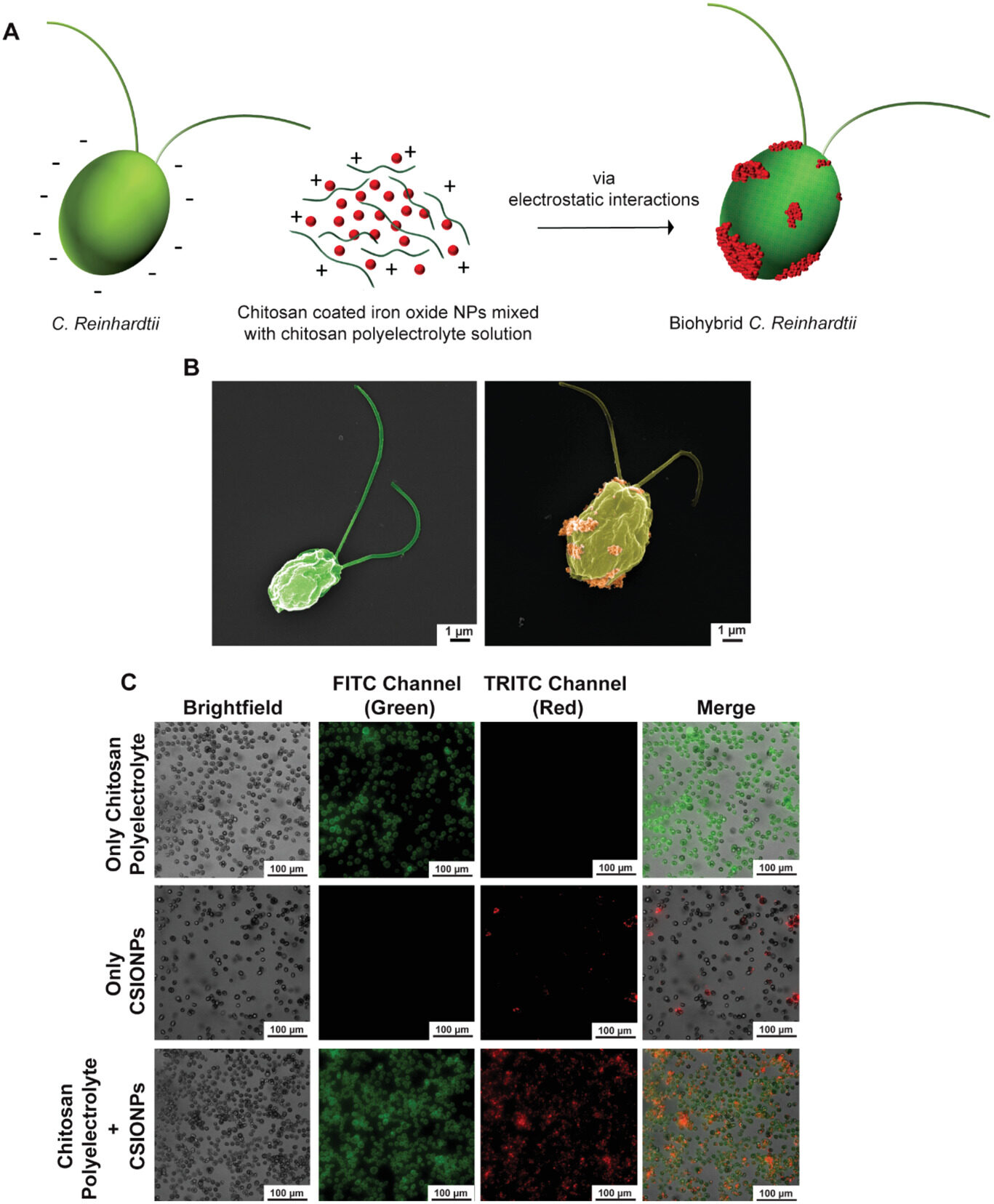
The Nobel Assembly's official press release captured the discovery in one memorable line: "Light-seeking algae gave us a switch for nerve cells." Optogenetics, the statement explains, "makes it possible to show how nerve cells shape memories, feelings and behaviours in the living brain," and the three laureates "have laid the foundation of a new era in neuroscience."
The Story of the Discovery: From Berlin and Würzburg to Stanford
The story of this prize stretches across continents and decades of patient research. Peter Hegemann at Humboldt University in Berlin spent years studying how microscopic organisms sense light, while Georg Nagel at the University of Würzburg focused on ion channels and their electrical properties. When the two collaborated on the light-responsive proteins of the microscopic alga, they arrived at the light-gated channel that would become the cornerstone of the entire field.
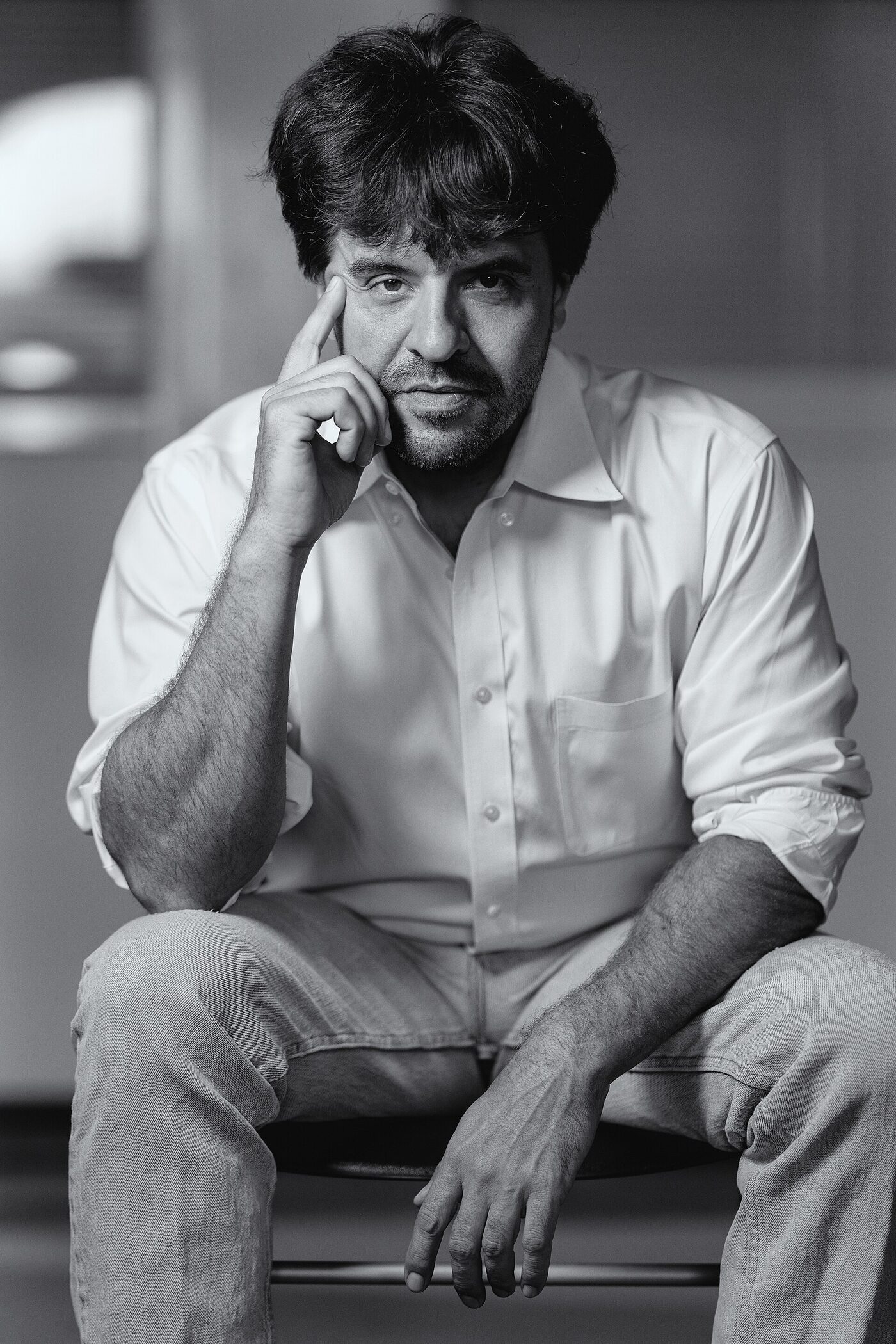
Karl Deisseroth — a psychiatrist and bioengineer at Stanford University and an investigator of the Howard Hughes Medical Institute — understood before most others that discovering the protein was only half the story. The real value lay in turning it into a laboratory instrument: a tool whose genes could be planted into one specific type of neuron, so that a researcher could control that type alone with light and nothing else — a cellular precision that drugs and electrodes had failed to achieve for a century. From this work the term "optogenetics" was born, and it now underpins thousands of laboratories worldwide.
Why Does This Discovery Deserve a Nobel?
Before optogenetics, studying the brain was like exploring an entire city with a single floodlight. Drugs wash over everything and need minutes or hours to act and wear off; electrical electrodes stimulate every cell near their tip without distinguishing one type from another; brain imaging shows activity in aggregate, never cell by cell. Light aimed at cells carrying channelrhodopsin strikes its target alone, and within fractions of a millisecond — the same timescale on which neurons naturally operate.
With this tool, researchers over the past two decades have traced the neural circuits behind specific behaviours: where a memory is stored, which cluster of cells triggers anxiety, how the signals for hunger, sleep and decision-making intertwine. Anna Wedell, a member of the Nobel Committee for Physiology or Medicine, said in the committee's official commentary: "We can get a whole new understanding of the function of the brain" — a sentence that explains why the Karolinska Institutet ranked this work as a turning point rather than just another laboratory technique.
And because optogenetics is a tool of understanding before it is a therapy, its influence extends into research on conditions that long resisted explanation: epilepsy, Parkinson's disease, depression, and retinal diseases in which light no longer finds its way to the brain. The road from laboratory to clinic is long by nature, but whoever holds an accurate map of the brain's circuits starts from a far better position than someone probing in the dark.
From Alga to Clinic: What Comes After Understanding?
Every Nobel reader asks the natural question: when will this discovery treat me? The honest answer is that optogenetics was born first as an instrument of understanding, and its medical value is growing along two paths. The first path is mapping: every drug developed today for epilepsy, depression or Parkinson's benefits directly from the sharper picture of neural circuits that optogenetics has produced in the world's laboratories over the past twenty years. The second path is direct light-based therapy, above all in retinal disease, where light-sensitive proteins can be introduced into cells that no longer respond to light naturally — an active research file at major ophthalmology centres.
It is worth understanding that this pattern — honouring a fundamental laboratory technique rather than a commercial medicine — is the rule in the Medicine category, not the exception. The prize traditionally rewards discoveries that opened entire doors to science, with applications arriving a generation or two later. Everyone working in neuroscience laboratories today stands on the shoulders of exactly this kind of foundational work.
What Happens After the Announcement?
The three laureates will receive their medals at the traditional Nobel Prize award ceremony in Stockholm on 10 December, the anniversary of founder Alfred Nobel's death, alongside the laureates in the other categories. Before that, each laureate delivers the traditional Nobel lecture on his work — lectures that become an open reference for researchers and students everywhere, with texts published on the Nobel Foundation's official website.
The Numbers: 12 Million Kronor and 117 Prizes
This year's Nobel Prize in Medicine carries an award of 12 million Swedish kronor (roughly USD 1.1 million), shared equally among the three laureates. It is the 117th medicine prize in the category's history since 1901. Among the curiosities recorded on the Nobel Foundation's official website: the youngest medicine laureate was Frederick Banting, who received the prize in 1923 at the age of 31 for the discovery of insulin, while the oldest was 87.
The announcement was delivered by Thomas Perlmann, Secretary-General of the Nobel Assembly, from the announcement hall at the Karolinska Institutet, as part of a week of announcements running from 5 to 12 October 2026 in which the six prizes are revealed one after another, streamed live on the Nobel Foundation's official website.
What Does This Mean for Science Students and Young Researchers?
A discovery of this scale is not just a medal for three scientists; it is a map of where research and funding are heading over the coming decade. The fields the laureates built on — advanced neuroscience, biophysics, genomics, neural engineering and live optical imaging — are all expanding rapidly at universities across the United States, Europe and Asia, and they open graduate programmes and research fellowships to international students, including students from the Gulf, Africa and South Asia who have already worked in optogenetics laboratories in Germany, the United Kingdom and the United States.
If you are a science student or a young researcher, the practical message of this year's prize is clear: great discoveries often come from unexpected intersections between fields far apart — a microscopic alga, an ion channel, and neurobiology. Look for laboratories working with optogenetic tools, build your skills in molecular biology, programming and live imaging, and keep track of open fellowship deadlines. A practical starting point is our list of fully funded scholarships closing in October and November 2026, or browse the research and study opportunities currently open on Truescho.
Frequently Asked Questions
What is optogenetics in simple words?
It is a technique that lets researchers switch specific neurons on or off using light, after planting a light-sensitive protein gene (such as channelrhodopsin, taken from a microscopic alga) into those cells. When light of the right wavelength is aimed at the targeted brain region, ion channels open in those cells alone, activating or silencing them within fractions of a millisecond.
Why did the 2026 Nobel Prize in Medicine come from algae?
Because the microscopic alga Chlamydomonas reinhardtii needs to orient itself toward light, it carries a unique protein — channelrhodopsin — that opens and closes directly with light. Hegemann and Nagel discovered and characterized this protein, and Deisseroth turned it into a light-controlled switch for nerve cells. That is why the Nobel Assembly's press release says: "Light-seeking algae gave us a switch for nerve cells."
How much is the 2026 Nobel Prize in Medicine and who shares it?
The award is 12 million Swedish kronor, shared equally among the three laureates: Karl Deisseroth (Stanford University and the Howard Hughes Medical Institute), Peter Hegemann (Humboldt University of Berlin), and Georg Nagel (University of Würzburg).
How is optogenetics different from drugs or electrical electrodes?
Drugs spread through the entire brain and need minutes to hours to act and wear off, while electrodes stimulate every cell near their tip without discrimination. Optogenetics hits one specific type of cell — the one carrying the light-sensitive protein — and activates it with millisecond precision, the same speed at which the natural brain operates.
Can an international student work in optogenetics?
Yes. Optogenetics laboratories are spread across universities in Europe, North America, Australia and Asia, and many of their master's, PhD and fellowship programmes are open to international students. The natural route is a degree in biology, medicine or biophysics, followed by specialisation in neuroscience or biophysics with skills in programming and live imaging, plus active tracking of funded graduate scholarships.
Sources
- Official press release: The Nobel Prize in Physiology or Medicine 2026 — NobelPrize.org
- The Nobel Prize in Physiology or Medicine 2026 summary and laureates — NobelPrize.org
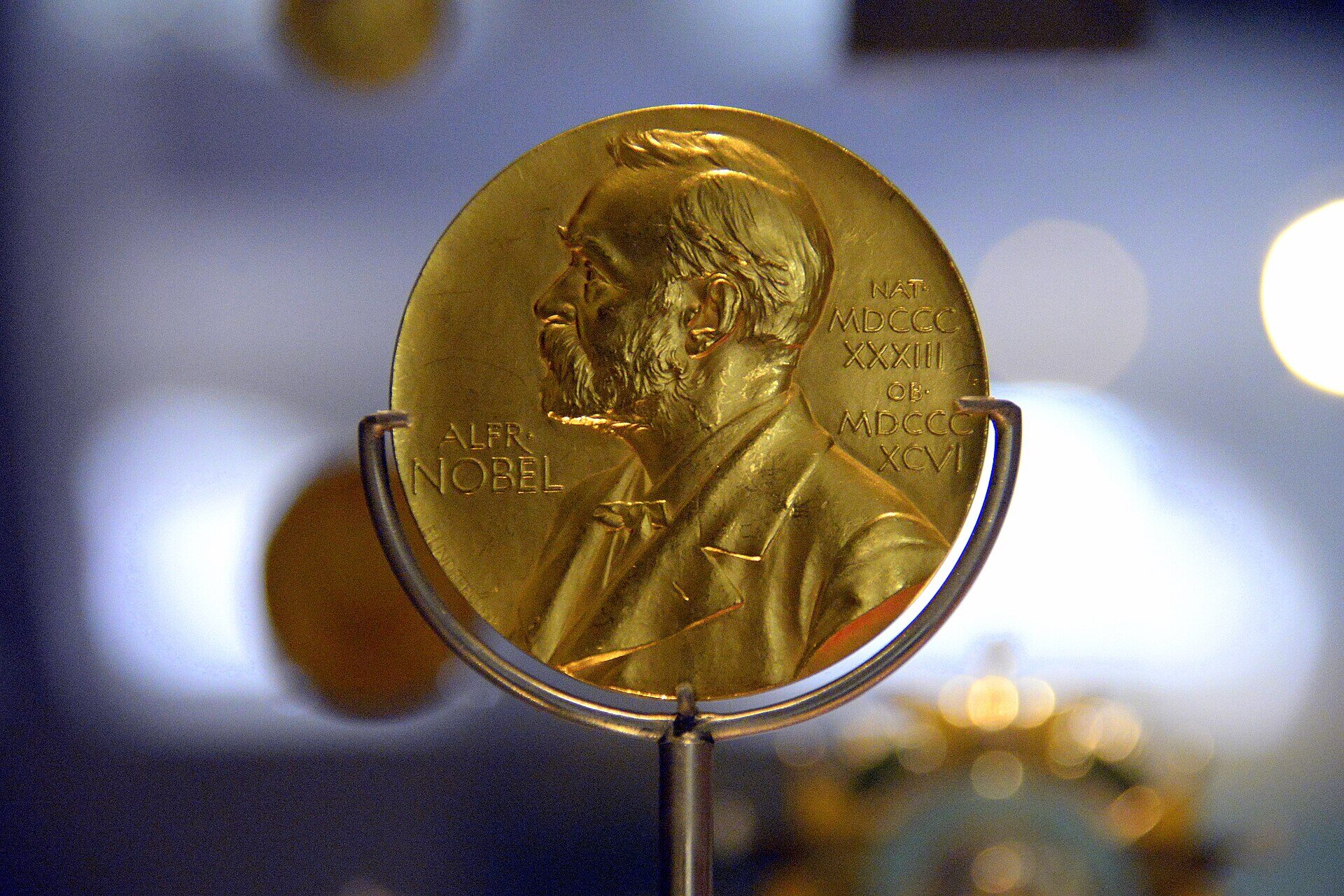
- Medal photograph: National Museum of Scotland via Wikimedia Commons — CC BY-SA 4.0
- Karl Deisseroth photograph: Christopher Michel via Wikimedia Commons — CC BY-SA 4.0

