

Article 2 ===
New Zealand Moves Graduate Work Visas Fully Online From November 16 — Plus a New 6-Month Visa to Know
You have just finished final exams in Auckland or Wellington and you are assembling your post-study work visa paperwork. Here is the change that directly concerns you: from November 16, 2026, applications for New Zealand's graduate work visas move fully online through the upgraded Immigration Online platform, and Immigration New Zealand will stop accepting paper applications for the Post Study Work Visa. The shift also covers the new Short-Term Graduate Work Visa — a six-month open work right introduced earlier this year. The practical message: if you are ready before November 15, you can still file under the current system; after that, your path is online only.
What exactly changes on November 16, 2026?
Reporting carried by international outlets on September 13–14, 2026 describes three connected changes:
- Full digital migration: Post Study Work Visa and Short-Term Graduate Work Visa applications must be lodged through the enhanced Immigration Online platform.
- Paper closes: no more paper Post Study Work Visa applications after November 16. Applications submitted on or before November 15 continue to be processed under the existing system — nothing already filed is lost.
- A deliberate simplification: the digital move is aimed at cutting processing times and reducing incomplete-application errors, which matters immediately for anyone filing in the last quarter of the year.

Source: New Zealand Parliament Buildings — Wikimedia Commons

The Short-Term Graduate Work Visa: six months, inside a three-month window
The new visa was announced in March 2026 as part of a package expanding post-study pathways for international graduates. It grants an open work right of six months — a bridge to convert a New Zealand qualification into initial local experience. The critical condition: the application must be filed within three months of the student visa expiring. Students whose visas expired before August 16, 2026 will generally already be outside that window by the time the online route launches in November — which is exactly why immigration advisers keep repeating one word: don't delay.
Why six months? The stated logic is a fast first work experience that strengthens a later case for longer work visas or residence pathways, without long commitments on either side. It is a connector between graduation and the labor market, not a replacement for the full Post Study Work Visa.
From the employer's side, a short open right is equally attractive: a New Zealand business can trial an international graduate on a seasonal project or short contract without complex sponsorship undertakings, and if the graduate proves themselves, the file moves to a longer pathway. For you as a graduate, the message is blunt — the first six months after graduation are now a fast proving ground. Convert them into a real job offer and the next doors open; spend them waiting for the "perfect role" and the window closes before you notice.
Which application window applies to you?
Before November 16 arrives, work out your window, because it depends on your course and prior visa rather than one universal rule:
| Graduate situation | Filing window after student visa expiry |
|---|---|
| Standard case for most programs | 3 months |
| Specific documented circumstances | up to 6 months |
| Certain eligible courses and visa holders | up to 12 months |
| New Short-Term Graduate Work Visa (6-month work right) | 3 months from student visa expiry |
The table summarizes the rules as reported by specialist outlets; when you actually file, the authoritative source for confirming your window is the official Immigration New Zealand website.
What this means for you as an international student
- Graduating this term? Count your window backward from your student visa expiry date — not your graduation ceremony. Ready before November 15? File under the current system. Otherwise, prepare digital copies for the new platform.
- Still studying? Nothing is immediate, but start organizing documents now: completion certificates, final transcripts, a passport with comfortable validity. The online platform wants clean uploadable files.
- Comparing destinations? New Zealand is deliberately strengthening its post-study offer this year as it competes with Canada and Australia. Weigh that against living costs, scholarship availability, and part-time work rules in your own currency reality.
- Beware "guaranteed visa" agents. There is no express lane for a fee. Filing is direct through the official website, and any promise of a guaranteed outcome is itself a red flag.
- 2026 graduates are the most time-sensitive group. If your window lands in November or December, you are brushing directly against the November 16 switchover — a single miscounted week could cost eligibility outright. Set two phone reminders: November 15, and the final day of your own window.
Questions to answer before you pick a filing date
Choosing your timing is not an organizational luxury; it is a small strategic decision. Answer honestly before opening the form:
- Are your documents genuinely complete, or "nearly"? An incomplete application on the new platform can bounce back to you mid-process — right as your window expires. If anything is still with a third party (completion certificate, transcript, passport renewal), chase it today, not tomorrow.
- Are your post-graduation plans clear? If you intend to leave New Zealand for two months and return, calculate how the absence affects your window — and how you will explain the sequence of decisions to any officer later.
- What is the six-month visa actually worth in your plan? For a graduate holding a ready job offer that qualifies for a longer visa, six months may be pointless. For one with no offer yet, it is a safety net that must not be squandered on hesitation.
- Do you understand the difference between program end and visa end? Graduates constantly confuse the ceremony date with the student visa expiry printed on official documents — and every window is counted strictly from the latter.
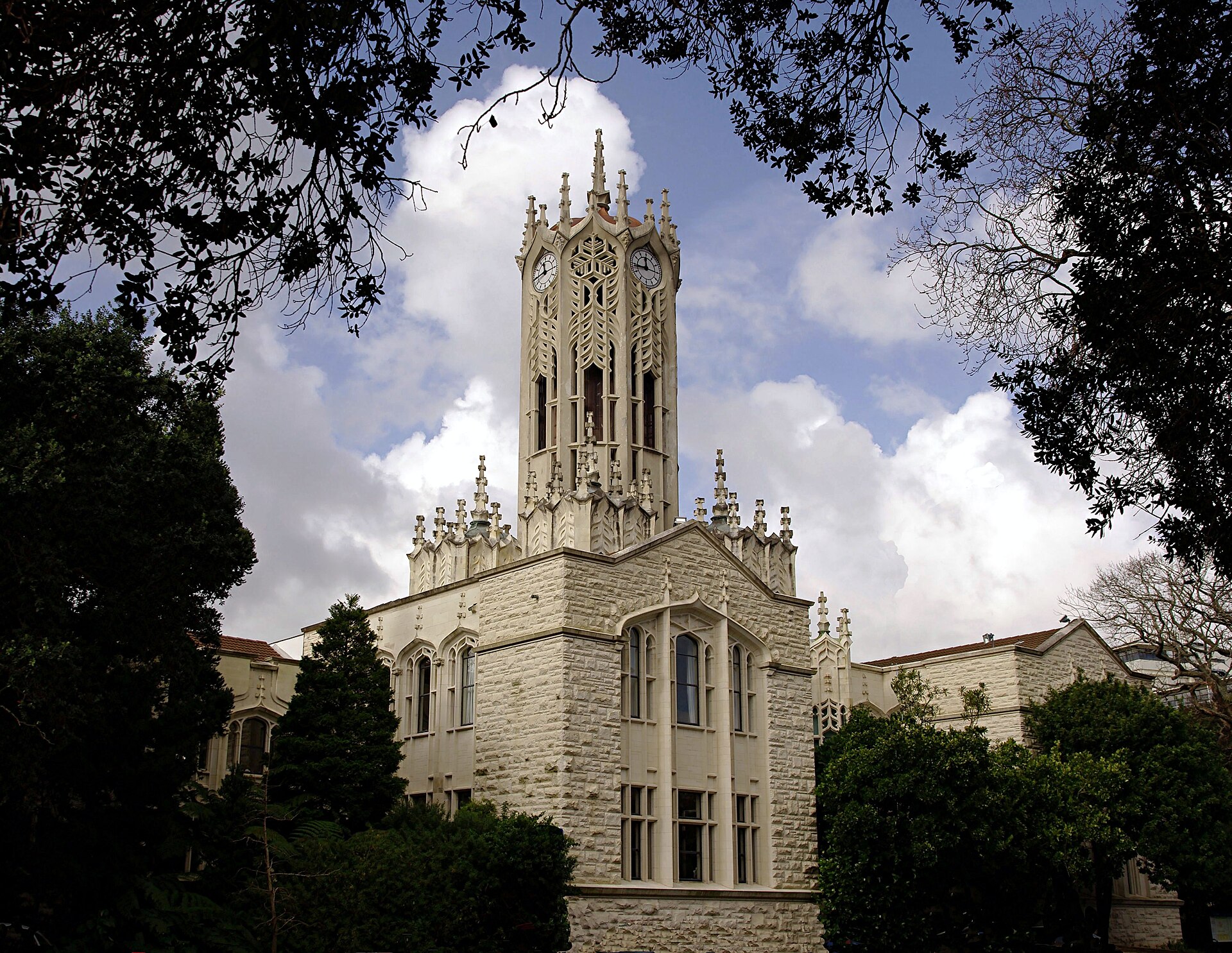
Source: Old Arts Building, University of Auckland — Wikimedia Commons
.jpg?ref=blogs.truescho.com)
If you are building the decision from the ground up, our complete study in New Zealand guide covers universities, costs, and part-time work, and you can compare funding options across destinations on Truescho's opportunities platform.
Five practical steps before November 15, 2026
- Pull up your student visa expiry date from your passport or approval letter, and add your window (3, 6, or 12 months) to it.
- Prepare documents digitally: program completion certificate, final transcript, valid passport, and any funds evidence your specific application requires.
- Decide: now, or after November 16? A tight window argues for filing immediately; a comfortable one lets you wait for the new platform.
- Follow the official immigration channels for date changes — launch dates in digital-migration projects can shift by weeks.
- Keep every confirmation of submission. During system transitions, borderline applications are the ones that fall through cracks.
- Check your passport validity first. A passport expiring mid-processing is the classic cause of stalled applications; renewing before you file is cheaper and faster than rescuing a stalled file.
- Archive a digital copy of every document you upload in one dated cloud folder. If the new platform asks you to re-upload anything after November 16, you will be ready in minutes, not days.
Frequently asked questions
Does going online change the approval criteria?
Nothing reported suggests that. The September 2026 change concerns the application channel (online instead of paper) and processing mechanics, not the substantive requirements — qualifications, program level, or passport validity.
What is the difference between the Post Study Work Visa and the Short-Term Graduate Work Visa?
The Post Study Work Visa is longer and granted according to the level of qualification completed. The Short-Term Graduate Work Visa is a six-month open work right designed as a quick bridge to first work experience, with a strict three-month filing window after the student visa expires.
My visa expired before August 2026 — did I lose the short-term visa option?
Under the reported window rules, a student visa that expired before August 16, 2026 would generally fall outside the three-month window by the November 16 online launch. Alternative routes exist through other eligible work categories, and checking your exact situation on the official website is unavoidable.
Will paper applications filed before November 15 be cancelled?
No. Reports state explicitly that applications submitted on or before November 15, 2026 will be processed under the existing system. Only after that date does paper close for these categories.
Is the Short-Term Graduate Work Visa tied to a specific employer?
No — it belongs to the open-work family: you may work for any New Zealand employer during its six months and change employers if needed. That is precisely what makes it a negotiating tool: you are not asking an employer to sponsor you from day one, only to run a short trial of your skills before any longer commitment.
Is New Zealand worth it for international students this year?
It remains a smaller destination than Canada or Australia, but it is competing hard on clearer post-study work pathways this year, alongside safety and English-language study. The honest answer depends on your budget and field — compare using our study in New Zealand guide and current open opportunities before committing.
Sources
- Immigration New Zealand — official immigration authority website
- Nairametrics — New Zealand moves graduate work visa applications online from November 16, September 13, 2026
- The Economic Times and Business Standard — September 2026 coverage of the expanded Post Study Work Visa eligibility and the new short-term graduate visa (cited by name; direct links unstable).
The takeaway: November 16 is not a boring administrative date — it is the line between two application systems. Calculate your window, digitize your file, and file when your timing — not an agent's urgency — says so. Wherever you apply next, Truescho's free tools, from the GPA calculator to verified scholarship listings, are built to keep your plan moving.