

Article 3 ===
Meta Muse Charm: The Pocket AI Gadget, Everything We Know
At its Connect conference on September 23, 2026, Meta CEO Mark Zuckerberg took the stage in Menlo Park and showed the world something small and unexpected: Muse Charm, a pocket-sized AI device designed purely for conversation. The next day, September 24, Meta's official newsroom roundup confirmed the reveal and offered the company's only public description so far.
This article is a dated explainer, not breaking news. The keynote has already happened, and the honest headline is that hard facts are scarce: no price, no launch date, and no technical specifications. What Meta did share — plus what TechCrunch and other outlets reported from the event — paints a clear picture of where the company is heading. Here is every confirmed detail, separated carefully from the rumors.
Source: Meta on YouTube

Source: Meta Newsroom
What exactly is Muse Charm?
Meta's own words, from the official roundup published on September 24: "Muse Charm is a delightful and fun device built for you to talk and interact with your Muse. It brings the power of Muse with a state of the art real-time voice model into a device that fits in your pocket. We'll have more to share later this year."
Unpack that sentence and you have nearly everything confirmed. It is a physical gadget. It is pocket-sized. Its whole purpose is talking and interacting with Muse, Meta's personal AI agent, using a real-time voice model. And its public timeline is the vague phrase "later this year."
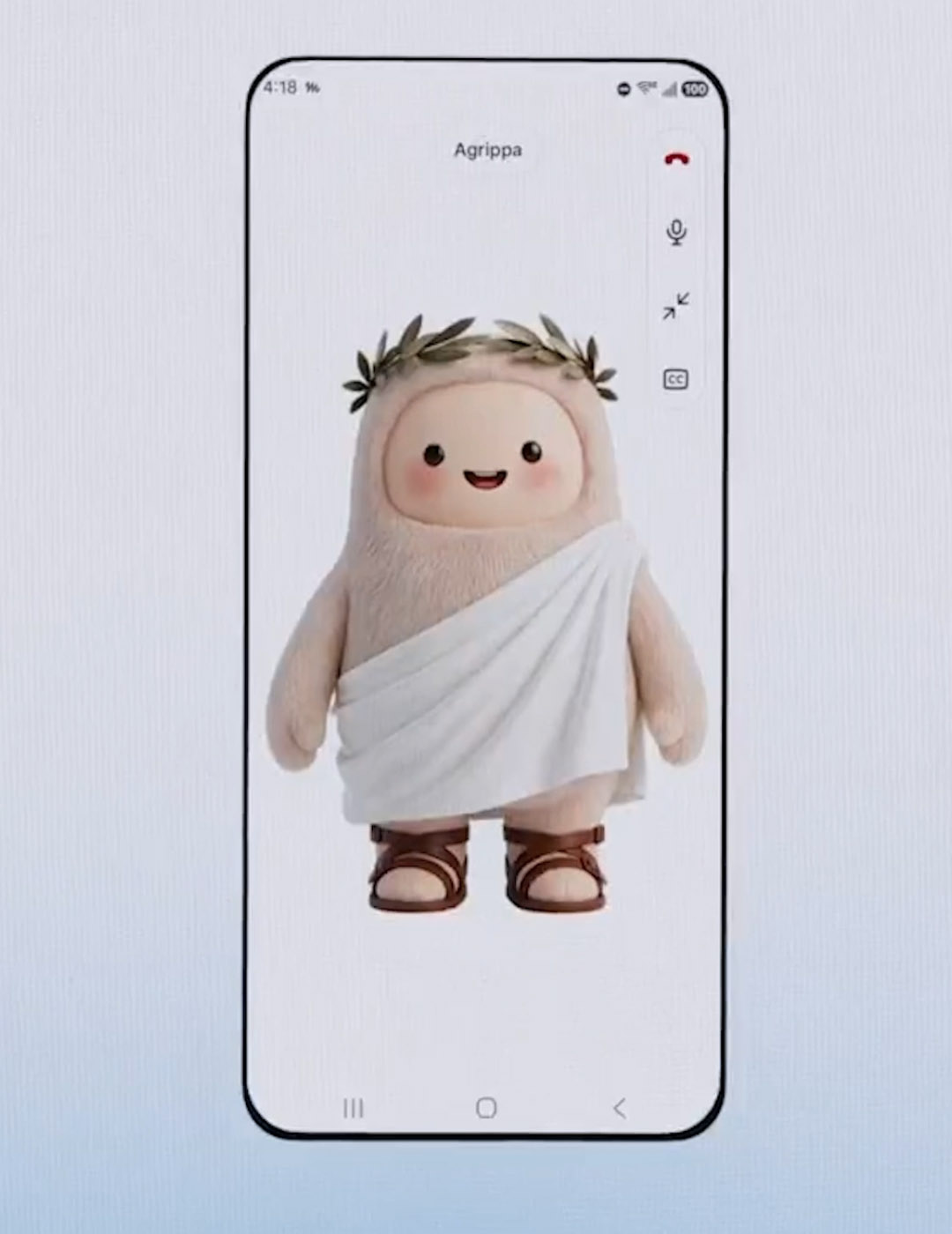
Press coverage has described the Charm as a Tamagotchi-like bag charm aimed at a younger audience. But be careful with attribution: the toy-and-charm language comes from journalists, not from Meta's announcement. Meta itself sticks to words like "delightful and fun."
Equally important is what is missing. Meta has not shown final hardware specifications, has not named a price, has not announced a launch date, and has not listed the countries where the Charm will first appear. There is no standalone official photo of the device in Meta's newsroom images yet — only the keynote and roundup visuals.
What is Muse, the agent that lives inside it?
The Charm is only a shell; the substance is Muse. Muse is Meta's personal AI agent, officially introduced on September 8, 2026 — the roundup calls it a launch from "earlier this month." According to TechCrunch, it runs on a multimodal model called Muse Spark.
Zuckerberg's ambition for Muse is enormous. TechCrunch quotes him describing it as "the personal superintelligence that billions of people… are going to use" — a single agent that knows you, shops for you, and works for you. On the business model, he was unusually concrete: Muse will be free for a huge number of tokens, while Meta earns a small fee from transactions the agent completes.
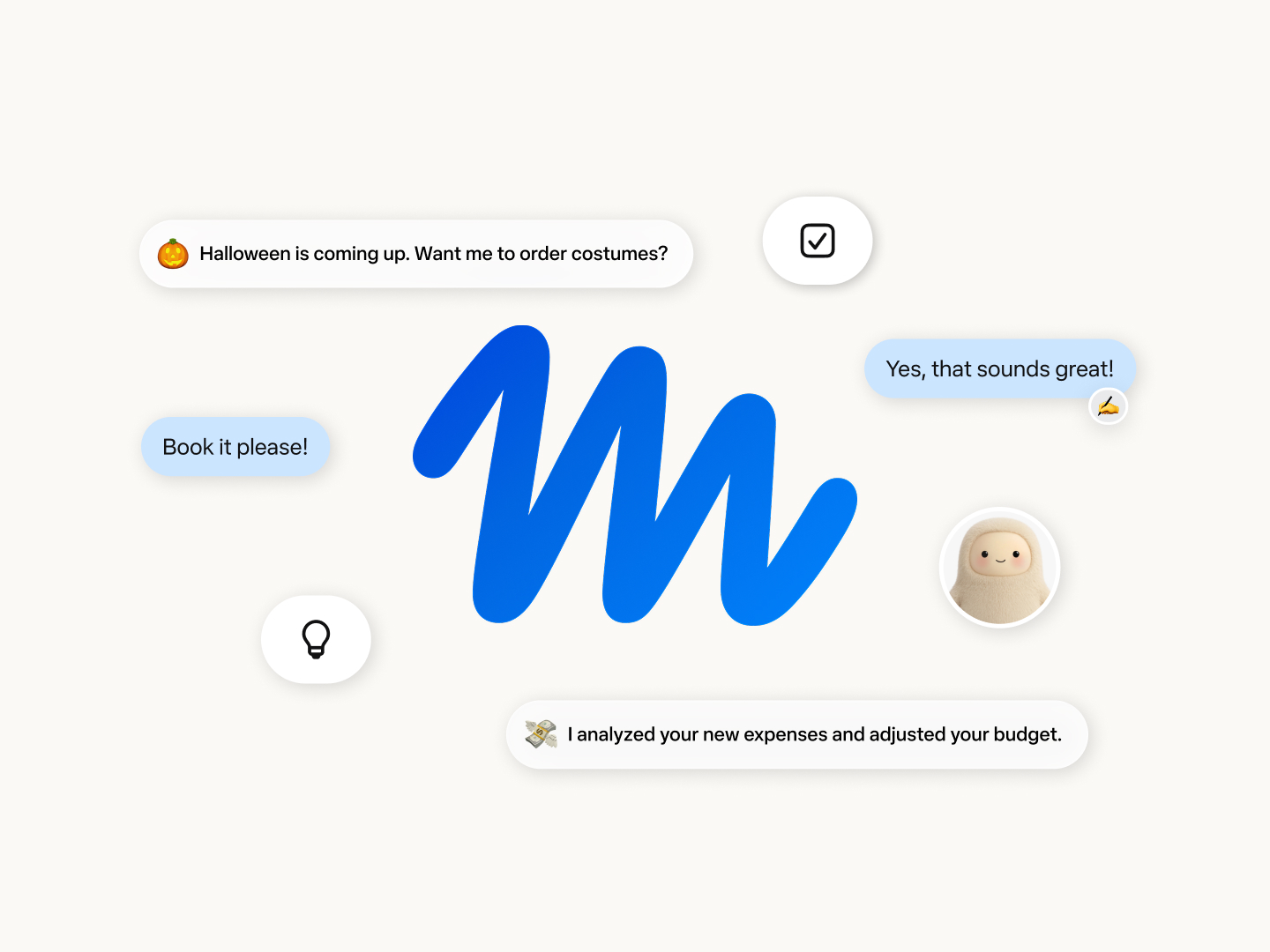
Muse is also spreading across Meta's software surface. At Connect, Meta executive Alexandr Wang said Muse is coming to the Mac, where it will be able to operate any application. That means the same agent that chats through the Charm could later edit a document or fill a form on your laptop.
Source: Meta Newsroom
Is Muse Charm the same thing as Jolly and the Muse Realtime Avatar?
No — and this is the single most common confusion in the coverage. Three separate things were discussed around Connect, and they get mixed up constantly.
Muse is the agent: the software, powered by the Muse Spark model, that does tasks for you. It launched September 8 and is spreading to glasses, phones, and Mac.
Muse Charm is the pocket-sized hardware device revealed on September 23. You talk to it; it connects you to your Muse. No price or date yet.
Jolly is different again. According to TechCrunch, Zuckerberg used this name for the physical embodiment of the agent, connected to a model called the Muse Realtime Avatar that powers a live avatar you can hold a video conversation with. That is a visual avatar feature — a separate track from the Charm hardware.
If you read a headline about a talking avatar and another about a bag charm, they are describing different pieces of Meta's plan. Keeping them straight will make you better informed than much of the early coverage.
What Meta has confirmed vs what is still unknown
| Confirmed by Meta | Not announced yet |
|---|---|
| Pocket-sized device for talking to Muse | Price in USD, EUR, or any currency |
| State-of-the-art real-time voice model inside | Launch date and countries |
| "More to share later this year" | Battery life and charging |
| Revealed by Zuckerberg on September 23 | Camera or sensors, if any |
| Works with the Muse agent (launched September 8) | Colors, materials, and final design |
| 10 new retail connectors plus payments partners | Whether it needs a phone or works standalone |
| Muse gets its own email address | Subscription requirements, if any |
This table is worth saving. Any article that fills the right-hand column with confident numbers is guessing.
When will Muse reach Meta AI glasses?
The same roundup confirmed that Muse arrives on Meta AI glasses "in the coming months" — earlier than the Charm's own timeline. On glasses, you will be able to call the agent by name and have it act on what you are looking at: a product on a store shelf, a poster on a wall, or a school supply list lying on a desk. A voice mode also supports longer back-and-forth conversations, with Muse working quietly in the background while you speak.
Meta frames this within a crowded market. The company says there will be more than 100 different options for AI glasses by the end of the year, and it wants Muse to be the agent running across as many of them as possible. We covered the full set of glasses announcements from Connect in our earlier report.
Source: Meta Newsroom
Muse can now shop, pay, and work across a growing list of services
Connect 2026 was as much about Muse's reach as about its gadgets. The roundup lists ten new retail connectors: Walmart, Best Buy, American Eagle Outfitters, DICK'S Sporting Goods, Fanatics, Gap, Michael Kors, Sephora, Ulta, and Wayfair. For payments, Muse now works with Shop Pay and PayPal. Instacart handles groceries, and Expedia is coming soon.
For work, Meta added connectors to Notion, Granola, GitHub, and Box. At the agent's launch, it already supported dozens of partners plus the full Shopify catalog — and developers are piling in. TechCrunch reports more than 1,500 applications to the connector program in under a week, and Meta has opened the platform so anyone can build their own connector.
For international readers, a dose of realism: Walmart, Best Buy, Sephora, and most of this list are US-first retailers. PayPal is the exception with true global reach. Wherever you live, the practical value of Muse shopping depends on which connectors actually operate in your country. The retail battle is already turning sharp — Amazon has moved to block Meta Muse from shopping its site, which we reported separately — and we have also compared how other companies are building sponsored shopping agents.
Muse gets its own email address
One quieter announcement deserves attention: Muse gets its own email address. TechCrunch reports it is coming soon. The idea is simple and rather clever. Instead of forwarding a receipt, a flight itinerary, or a rental contract to yourself and forgetting about it, you send it to your agent, which reads it, files it, and acts on it.
Combined with the Charm, this sketches Meta's vision: an agent you can talk to from your bag, your glasses, your laptop, and your inbox — one continuous assistant rather than five separate apps. It also raises the privacy questions we get to below, because an agent with an inbox is an agent acting in your name.
Quick comparison: Muse Charm vs the other ways to talk to AI
| Muse Charm | Meta AI glasses with Muse | Muse on phone or Mac | Gemini Live Avatar (Google) | |
|---|---|---|---|---|
| What it is | Pocket-sized voice device for the Muse agent | Smart glasses that see what you see | Software agent in apps | Animated enterprise avatar |
| How you interact | Speak to it out loud, anywhere | Speak and let it act on your view | Text and voice chat | Real-time video avatar for business |
| Status | Revealed September 23, 2026; not on sale | Muse arriving in the coming months | Agent launched September 8, 2026 | Available September 24 for enterprises |
| Price | Not announced yet | Depends on the glasses model | Free for a huge number of tokens, per Zuckerberg | Enterprise contracts; no public price |
| Best for | Ambient companion use | Hands-free help on the go | Everyday tasks today | Customer service and brand avatars |
A pattern emerges across the industry: after the mixed reception of earlier standalone AI gadgets like the Rabbit R1 and Humane AI Pin, companies now sell agents that live across many devices rather than one doomed slab of plastic. The Charm is Meta's friendliest, most toy-like entry in that strategy. Google, meanwhile, is entering from the opposite end — its new Live Avatar, announced the day after Connect, targets businesses first.
What this means for you
Do not plan a purchase yet. There is no price, no release date, and no country list. "More to share later this year" means exactly that. If a store or a website offers to sell you a Muse Charm today, it is not official.
Check what you can use right now. The Muse agent itself launched on September 8, Meta AI glasses are on sale today, and Muse reaches those glasses in the coming months. Rival assistants — Google's Gemini and OpenAI's ChatGPT — already offer real-time voice on your phone. The always-listening question, though, deserves a harder look than any spec sheet, so read the next section before getting excited.
For students and international readers, the shopping connectors are the least useful part today, since most listed retailers are US-focused. The stronger near-term story is an agent that organizes email, documents, and study logistics across your devices. While you wait for Meta's next announcement, the scholarships and programs on Truescho are a productive place to spend the same attention.
Privacy: the questions to ask before clipping a listener to your bag
A charm that you talk to throughout the day needs a microphone that is always ready. Meta has not yet published how the Charm listens — whether audio is processed on the device or sent to the cloud, what the wake word is, what gets stored, or how long recordings are kept. Until those answers exist, treat every privacy assumption as open.
There is also the agent question, which is bigger than the gadget. A Muse with its own email address, payment access through PayPal and Shop Pay, and the ability to act on what your glasses see is an assistant with real authority in your life. Who audits what it does in your name? What happens when a transaction goes wrong? Meta's history with personal data makes these fair questions, not hostile ones.
Coverage has already flagged the trust theme. A column in The Verge noted that Muse will apparently let you download its entire filesystem — an interesting transparency gesture, and also a reminder of how much of your life such a system would hold. Data protection rules in Europe and elsewhere will shape what the Charm is even allowed to do in your country.
None of this means the Charm is a bad idea. It means the honest position today is: promising concept, unanswered questions, and no reason to pre-order anything.
Quick answers to common questions
What is Meta Muse Charm?
Muse Charm is a pocket-sized AI device Meta revealed at its Connect conference on September 23, 2026. You talk to it and interact with Muse, Meta's personal AI agent, through a state-of-the-art real-time voice model. Meta describes it as delightful and fun, and says more arrives later this year.
How much does Muse Charm cost?
No price has been announced. Meta's official roundup, published on September 24, 2026, says only that the company will have more to share later this year. Any dollar figure circulating online right now is speculation, so treat it as unconfirmed until Meta publishes official pricing.
When does Muse Charm come out?
No launch date yet. Meta's only timing language is "more to share later this year," which hints at news before 2027 but commits to nothing. The separate arrival of Muse on Meta AI glasses is pinned to "the coming months," also without a specific date.
Is Meta Muse free?
Mostly, according to Zuckerberg. He said Muse will be free for a huge number of tokens, with Meta earning a small fee from transactions, such as shopping the agent completes for you. Meta has not published exact limits, subscription tiers, or the size of its transaction fees.
Does Muse work on Meta AI glasses?
Yes, starting in the coming months. You will be able to call the agent by name and have it act on what you are looking at, such as a product on a shelf or a school supply list. A voice mode supports long conversations with Muse working in the background.
Which stores can Muse shop from?
The newest retail connectors include Walmart, Best Buy, Sephora, Ulta, Gap, American Eagle, DICK'S Sporting Goods, Fanatics, Michael Kors, and Wayfair. Shop Pay and PayPal handle payments, Instacart covers groceries, and Expedia is coming soon. At launch, Muse already worked with dozens of partners and the Shopify catalog.
Does Muse have its own email address?
Yes. Meta's official roundup says Muse gets its own email address, which TechCrunch reports is coming soon. The idea is that you can forward receipts, itineraries, or documents directly to your agent, and it processes them for you, though Meta has not detailed how privacy works yet.
Is Muse Charm always listening?
Unknown, and that is the honest answer. A charm you talk to on your bag needs a microphone ready for a wake word, but Meta has not published how the device listens, processes, or stores audio. Its privacy details for the Charm are worth reading before buying one.
Final thoughts
Muse Charm is best understood as a preview of Meta's direction, not a product you can evaluate. The confirmed facts fit in one sentence: a pocket-sized device for talking to your Muse agent, with a real-time voice model, revealed on September 23, 2026, and priced and dated... nowhere yet. Around it sits the more substantial news: an agent spreading to glasses within months, a Mac app, an email address, and a shopping network with payments attached. When Meta fills in the price and the launch countries, we will update this guide. Until then, spend your waiting time productively — browse the open opportunities on Truescho or find your next program in our university rankings.