
Medicare Open Enrollment 2027: New Part D $2,400 Cap, Premium Changes and How to Pick the Cheapest Plan (Oct 15 – Dec 7)
Last updated: October 2026
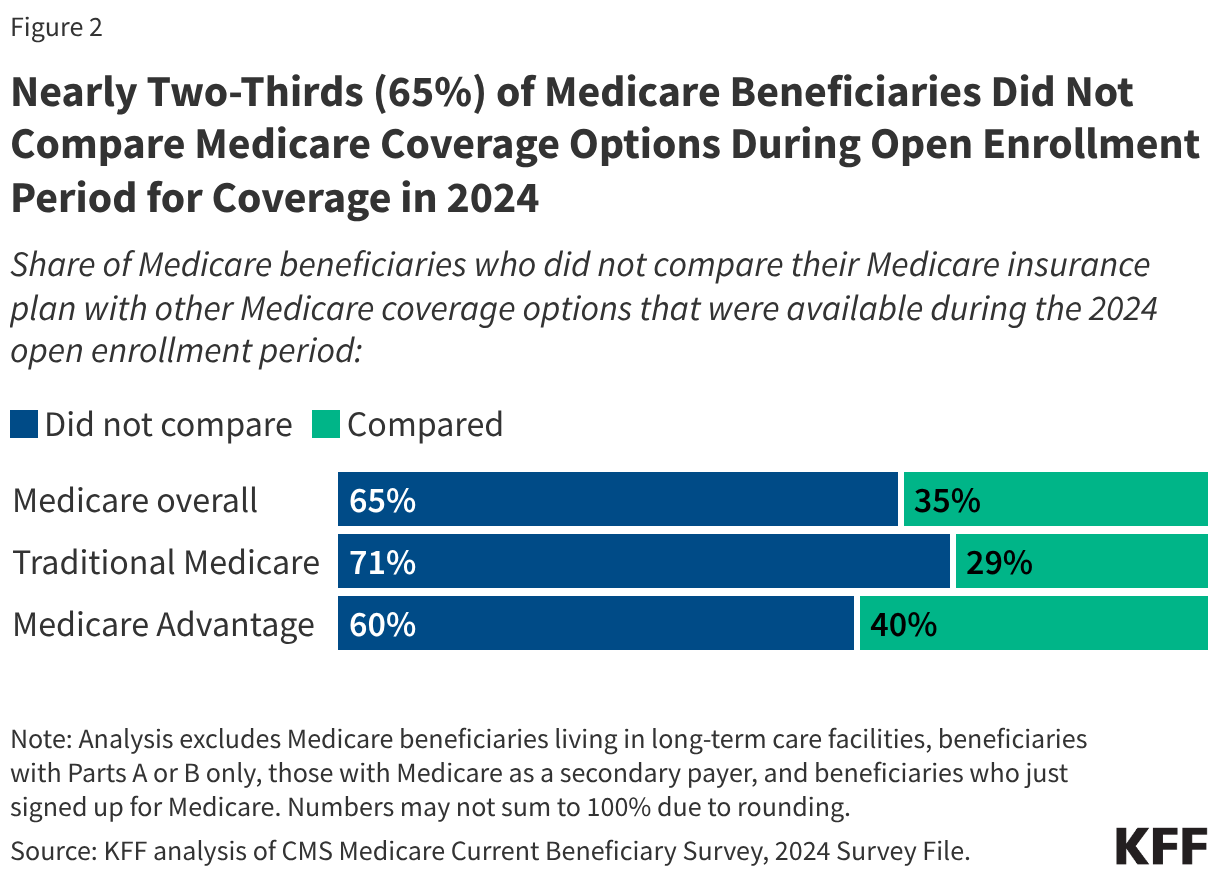
If you are one of the roughly two-thirds of people on Medicare who never compare plans during Open Enrollment, you are in good company — and possibly leaving money on the table. KFF's survey data finds that 65% of beneficiaries do not weigh their options each fall, even though premiums, deductibles, drug lists and doctor networks change every single year. For 2027, the changes are bigger than usual, in a good way for most people.
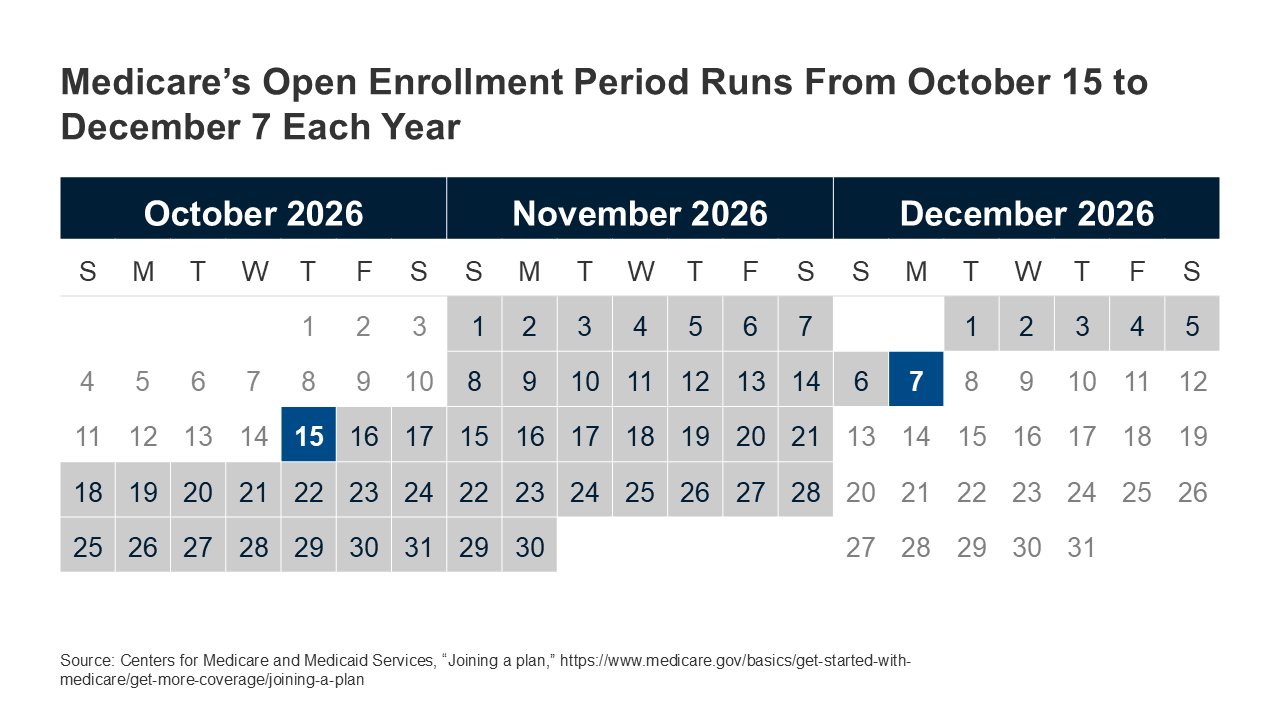
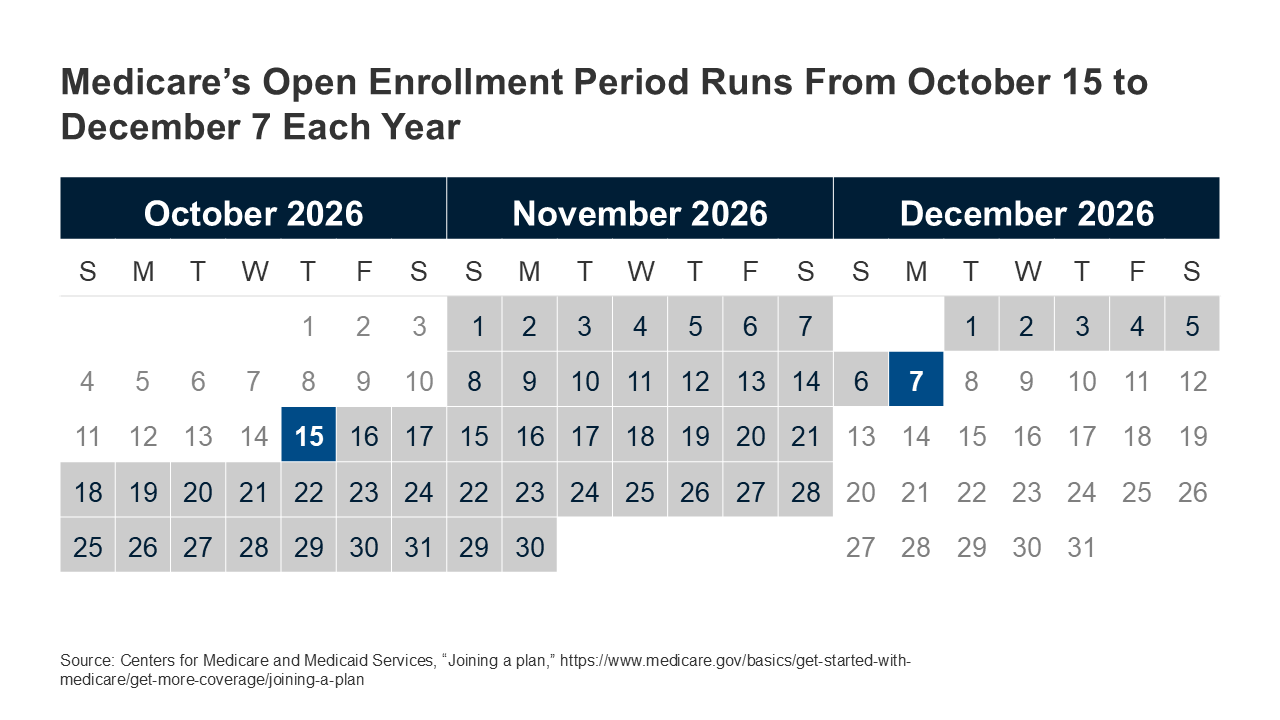
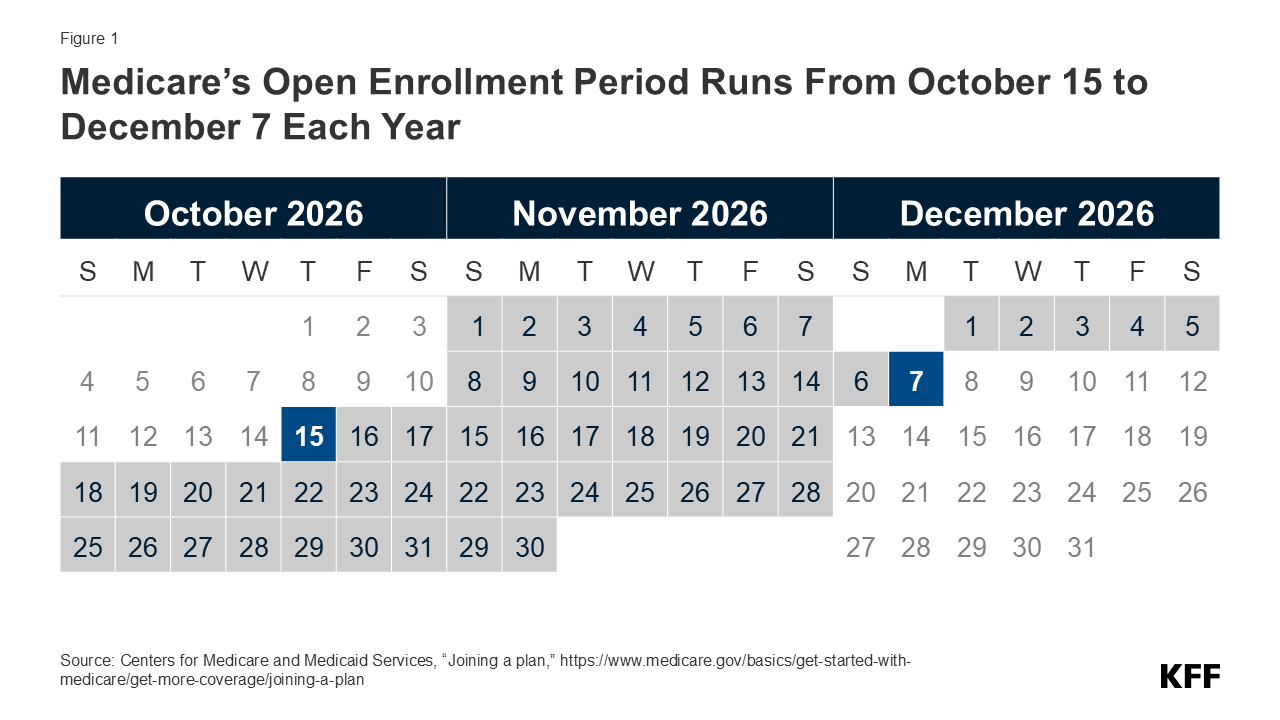
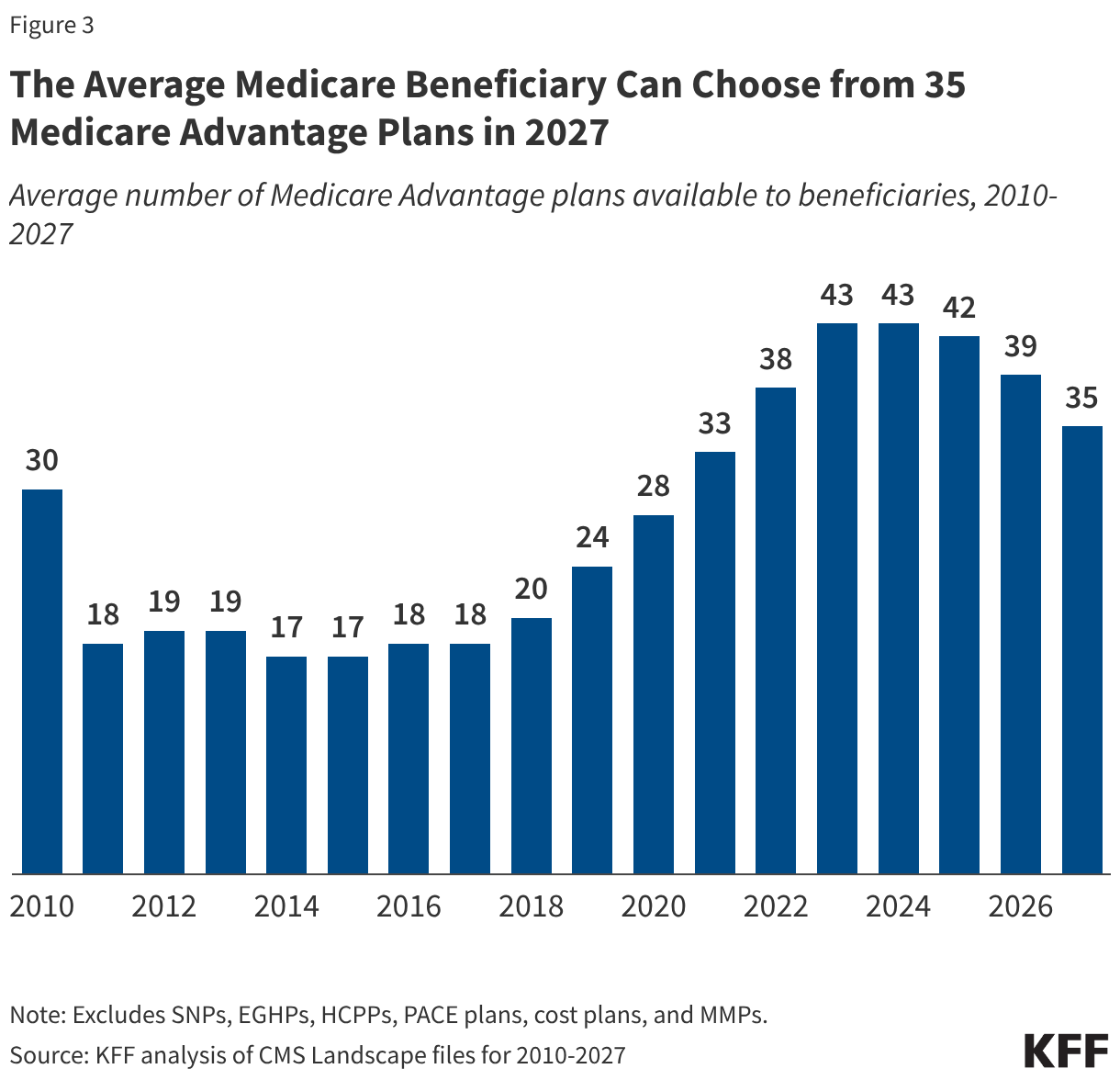
Medicare Open Enrollment for 2027 coverage runs October 15 through December 7, 2026. The headline changes: the average Medicare Advantage premium falls 16.5% to $12.00, and Part D drug spending is capped at $2,400 out of pocket for the year. Most beneficiaries can choose from about 35 Advantage plans, so comparing options can pay.
This guide walks through every number that changed for 2027, then gives you a step-by-step method for finding the cheapest plan for your specific prescriptions — using the official Medicare Plan Finder, not a sales pitch. Nothing here is a recommendation of any particular plan; the right choice depends entirely on your drugs, your doctors and your county.
Source: KFF
The seven numbers that define 2027
Every autumn, CMS releases the landscape data for the coming plan year, and KFF and AJMC digest it into usable figures. Here is the full 2026-versus-2027 picture in one table — the kind of summary most news stories never put in a single place:
| Measure | 2026 | 2027 | What it means for you |
|---|---|---|---|
| Average Medicare Advantage monthly premium | $14.37 | $12.00 | Down 16.5%, per CMS data reported by AJMC |
| Average stand-alone Part D (PDP) monthly premium | $35.09 | $36.00 | Up about $1 — nearly flat |
| Average drug premium inside Medicare Advantage drug plans | — | About $7 | Down roughly 38% |
| Part D out-of-pocket cap | — | $2,400 | The most you pay for covered drugs all year |
| Standard Part D deductible | — | $700 | What you pay before drug coverage starts |
| Average Medicare Advantage plans per beneficiary | — | 35 (28 with drug coverage) | More choice than ever |
| Share of Advantage enrollees in $0-premium plans | — | 75% | Most people pay no separate plan premium |
Three footnotes matter. First, the average premium is just that — an average. Your county's plans may be higher or lower, and roughly 34 million people, now 47.4% of all beneficiaries, are enrolled in Medicare Advantage. Second, 97% of beneficiaries have at least ten Advantage options, so the $12.00 average tells you little about your own menu. Third, the average drug premium inside Advantage drug plans is falling about 38% to roughly $7, which makes Advantage-with-drugs even more price-competitive against stand-alone Part D plans in many counties.
What about Part B? The 2027 Part B premium had not been officially announced when this guide was published. Expect the confirmed figure in the usual fall announcement cycle, and treat any specific number circulating online as a projection until it appears on medicare.gov. One more wrinkle worth knowing: the $9.8 billion in demonstration subsidies that padded some plans' extra benefits in recent years ends after 2026, according to AJMC — a reason some plans may trim dental, vision or grocery cards for 2027, another argument for re-checking rather than auto-renewing.
Three ways to get 2027 coverage
Before comparing prices, be clear about what you are comparing. Medicare gives you three basic routes, and you can move between most of them during Open Enrollment:
| Route | What it covers | Premium picture | Who it tends to suit |
|---|---|---|---|
| Original Medicare + stand-alone Part D | Hospital and medical coverage, plus a separate drug plan (8–12 PDP options in most areas) | Part B premium plus the PDP premium, averaging $36.00 in 2027 | People who want any-doctor flexibility and travel frequently |
| Medicare Advantage (MA-PD) with drug coverage | Medical and drug coverage bundled, often with dental, vision and hearing | $0 premium for 75% of enrollees; everyone still pays Part B | People happy with network-based care and wanting extras |
| Medicare Advantage without drugs | Medical coverage only; pair with a PDP | Varies by county | A small group with special situations |
Source: KFF
About 34 million beneficiaries are already in Medicare Advantage — 47.4% of the Medicare population — and the average enrollee will see 35 plans on the menu for 2027, 28 of them with drug coverage included. If you are under 65 and still buying coverage on your own, the math looks very different; our guide to US small business health insurance premiums for 2027 covers that side of the market.
How to pick the cheapest plan for your prescriptions: six steps
The cheapest plan is not the one with the lowest premium. It is the one with the lowest total annual cost for your specific drugs, and finding it takes about 30 minutes. Here is the method consumer advocates recommend, built around the official Medicare Plan Finder.
Step 1: Gather your paperwork. Pull out the Annual Notice of Change your current plan mailed in September, plus a list of every medication you take, its dosage, and the pharmacy you use. The notice tells you exactly what your current plan will cost in 2027 — the baseline you are trying to beat.
Step 2: Open the Plan Finder at medicare.gov. Use the official tool, not insurer websites, because only the Plan Finder shows every plan available in your ZIP code side by side. You can search anonymously or log in with your Medicare account for personalized drug matching.
Step 3: Enter your drugs and pharmacy. This is the step most people skip and it is the one that saves the most money. Drug coverage differences between plans can be worth thousands of dollars a year — far more than any premium difference.
Step 4: Sort by total annual estimated cost, not monthly premium. A $0-premium plan with a restrictive formulary can easily cost more than a $30-premium plan that covers your medications with low copays. Add up premiums, deductibles and copays for the full year, and compare the totals.
Step 5: Check the network and the stars. Confirm your doctors and hospitals are in-network, then look at each plan's Star Rating. For 2027, 71% of Advantage enrollees are in contracts rated four stars or higher, and the overall average is 3.99 stars, slightly down from 4.01 for 2026, per CMS's October 8 fact sheet.
Step 6: Enroll before December 7 and save your confirmation number. Changes made by the deadline take effect January 1, 2027. If you miss the deadline, your current plan generally renews automatically.
Stuck at any step? The SHIP program — the State Health Insurance Assistance Program — offers free, unbiased, one-on-one counseling in every state, and 1-800-MEDICARE has interpreters available. Insurance agents can help too, but remember they are often paid by insurers; the Plan Finder and SHIP counselors have no product to sell you.
If you want every figure in this guide collected in one refreshable reference while you work through the steps, Truescho's free resource hub keeps this table updated alongside our other US household money guides.
How many plans will you actually see?
The national "35 plans on average" hides enormous local variation, and KFF's 2027 landscape analysis is the best map of it. One in five beneficiaries — about 20% — will have more than 40 Medicare Advantage plans with drug coverage to choose from, while roughly 1% have no Advantage option at all and stay with Original Medicare plus a stand-alone drug plan.
Source: KFF
Insurers are also redrawing their footprints. For 2027, UnitedHealthcare exited 228 counties and Humana exited 62, while Devoted Health expanded into 342 counties, according to KFF. If your plan's carrier pulled out of your area, you will feel it directly; if a new entrant arrived, you may have fresh low-premium or $0-premium options worth pricing against your current plan.
Your plan is being cancelled? A three-step backup plan
About 32,000 people will lose their current Medicare Advantage coverage on January 1, 2027 because their plan is not being renewed, KFF reports. If you are one of them, you should have received — or will shortly receive — a formal non-renewal notice. Do not panic, and do not ignore it.
- Read the notice carefully. It explains which parts of your coverage are ending and what enrollment rights you have, including options that extend beyond December 7 into the new year.
- Run the Plan Finder again with your 2027 ZIP code. Plan availability changed; a plan that was not competitive in 2026 may now be your best option, especially if a new carrier entered your county.
- Call for backup if the choices overwhelm you. 1-800-MEDICARE can walk through enrollment windows, and your state's SHIP counselors will review your specific situation for free. Original Medicare plus a stand-alone Part D plan always remains available as a fallback — you cannot be left without coverage options.
Star Ratings 2027 and the five-star window
CMS published its 2027 Star Ratings on October 8, and the topline is mostly good news: 71% of Medicare Advantage enrollees are in contracts rated four stars or better. The national average slipped fractionally to 3.99 stars from 4.01 a year ago, and only 15 contracts earned the full five stars for 2027.
Why stars matter for your wallet: higher-rated plans earn quality bonus payments from CMS, which often fund the extra benefits and lower cost-sharing those plans offer. A five-star plan in your area also unlocks a special enrollment opportunity — if one is available where you live, you may be able to switch into it once outside the normal Open Enrollment window, a flexibility almost no other plan change offers mid-year.
Two money items to watch: the GLP-1 bridge and the reported $90 payment
Two 2027-specific items are generating the most reader questions this fall.
The first is real and documented. For 2027, a bridge program introduces a $50 copay for certain GLP-1 drugs under Medicare Part D, per KFF's Open Enrollment analysis. If you take a GLP-1 medication — or expect to — this makes checking each plan's formulary more valuable than ever, because coverage terms will differ meaningfully between plans in the same county.
The second deserves a caution flag. News reports in early October 2026 describe a one-time $90 payment heading to some Medicare beneficiaries this fall in connection with the Part D program. Because details have circulated mainly through press reports rather than a plain CMS page, treat any email, call or door-knock about "confirming" your $90 payment as suspect until you verify it yourself at medicare.gov. Scammers routinely ride along on exactly this kind of headline.
The five-minute checklist before you press enroll
Most people spend more time choosing a phone plan than a health plan. KFF's chart below is the uncomfortable mirror: 65% of beneficiaries never compare coverage options during Open Enrollment, which is precisely why plans can quietly raise deductibles or drop drugs while enrollees stand still.
Source: KFF
Before you confirm any enrollment decision, run this list:
- I read my Annual Notice of Change and know what my current plan costs in 2027.
- I entered my complete drug list and pharmacy into the Plan Finder.
- I compared total annual costs, not just monthly premiums.
- The $2,400 cap and $700 deductible are factored into my drug math.
- My doctors, hospitals and pharmacies are in-network.
- I checked the plan's 2027 Star Rating and formulary changes.
- I saved my enrollment confirmation number.
What to do next
Open Enrollment closes December 7, 2026 — after that, your 2027 setup is largely locked in, with only the January 1 – March 31 Medicare Advantage window as an escape hatch. Two other deadlines land in the same stretch of the calendar: Amazon's $309.5 million returns settlement stops accepting claims on December 1, and for household members weighing offers in the Gulf, our UAE hardest-to-fill jobs report explains which roles now command double-digit raises. While you have the calendar out, remember the platform you are reading this on: Truescho's free resource hub also includes a university rankings section and a scholarship opportunities board — handy if a grandchild is heading toward college applications this winter — plus free online courses if retirement has opened up time to learn something new.
Frequently asked questions
When is Medicare Open Enrollment for 2027 coverage?
It runs October 15 through December 7, 2026, and changes take effect January 1, 2027. If you do nothing, your current plan generally renews automatically, but its premium, deductible, network and drug list may change — which is why reading the Annual Notice of Change matters every year.
What is the average Medicare Advantage premium for 2027?
CMS projects an average of $12.00 per month, down 16.5% from $14.37 in 2026, according to AJMC's coverage of the agency's data. Three-quarters of Advantage enrollees are in plans with a $0 premium, though every enrollee still pays the separate Part B premium.
What is the Part D out-of-pocket cap for 2027?
$2,400, per KFF's Open Enrollment Q&A. Once your share of covered drug costs reaches that ceiling during 2027, you pay nothing more for covered drugs that year. The cap applies whether you have a stand-alone Part D plan or drug coverage through Medicare Advantage.
How many Medicare Advantage plans will be available in 2027?
About 35 on average per beneficiary, 28 of them with drug coverage included, according to KFF. Ninety-seven percent of beneficiaries have at least ten options, one in five can choose from more than 40 plans, and about 1% have no Advantage plan available in their county.
What happens if my Medicare Advantage plan is discontinued for 2027?
Roughly 32,000 people are affected by non-renewals for 2027, after UnitedHealthcare exited 228 counties and Humana exited 62. Your written notice explains replacement options and any extended enrollment rights, and Original Medicare plus a stand-alone drug plan remains a permanent fallback.
Can I switch from Medicare Advantage back to Original Medicare?
Yes. The Medicare Advantage Open Enrollment Period runs January 1 through March 31, 2027, letting you return to Original Medicare with a stand-alone Part D plan, or switch to a different Advantage plan, once during that window. Changes take effect the first of the following month.
Are GLP-1 drugs covered by Medicare Part D in 2027?
For 2027, a bridge program introduces a $50 copay for certain GLP-1 drugs, according to KFF. Actual coverage still depends on each plan's formulary and the drug's approved use, so verify your specific medication in the Plan Finder before switching plans over one drug.
What is the one-time $90 Medicare payment?
According to news reports from early October 2026, some beneficiaries will receive a one-time $90 payment this fall connected to the Part D program. Full official details were still being confirmed at publication time, so verify at medicare.gov before responding to any message about it.
Sources
- KFF — Medicare Open Enrollment and Coverage Options: Key Questions and Answers (October 2026)
- AJMC — CMS Projects 16.5% Drop in 2027 Medicare Advantage Premiums
- KFF — Medicare Advantage Plan Availability Varies Widely by County for 2027
- CMS — 2027 Medicare Advantage and Part D Star Ratings Fact Sheet