
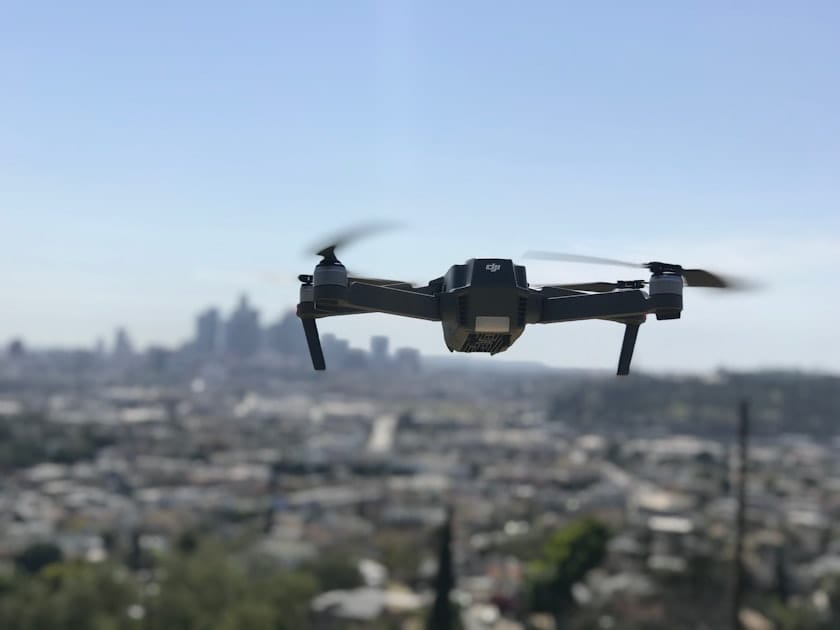
Is Buying a DJI Drone in America Legal in 2026? FCC, Warranty, and Buyer Checklist
💬 Disclosure: Some links in this article are affiliate links. We may earn a small commission when you complete a purchase at no extra cost to you. This helps us keep our content free, and it does not affect the integrity of our recommendations.
Short answer: buying, owning, and flying a DJI drone in America is not automatically illegal in 2026. The careful answer is more layered. You need to separate FCC equipment authorization and sale/import rules, FAA flight rules, and warranty or seller support. Those are three different questions, and mixing them together is how buyers end up confused.
This article is general buyer information, not legal advice. If your purchase affects a business, school, government agency, public safety program, or regulated operation, speak with a qualified attorney or compliance professional. For ordinary consumers, the practical goal is simpler: confirm that the specific model is authorized for U.S. sale, understand the FAA rules that apply to your flight, and buy from a seller with clear warranty and return terms.
If you are comparing current products, you can check DJIUSA price and availability, but do not treat a product page alone as your full compliance review. Availability, authorization, and support terms are related, but they are not identical.
The 2026 DJI Legal Picture in Plain English
There has been real U.S. regulatory pressure around DJI and other foreign-produced drones. But “DJI is banned” is too broad and often wrong for consumer buying decisions. The FCC’s January 7, 2026 fact sheet says that new models of equipment on the Covered List cannot receive FCC authorization and therefore cannot be imported or sold in the United States. The same fact sheet also says additions to the Covered List do not prohibit import, sale, or use of existing device models previously authorized by the FCC, and previously purchased devices can continue to be used.
That distinction is the core of the 2026 buyer question. A previously authorized DJI model is not the same as a future or unauthorized model. A drone you already own is not the same as a newly imported product that lacks authorization. A sale listing is not the same as permission to fly in controlled airspace.
On May 8, 2026, the FCC released DA 26-454, extending certain software and firmware update waivers for previously authorized foreign-produced unmanned aircraft systems, UAS critical components, and routers at least until January 1, 2029. That helps owners of previously authorized equipment continue receiving certain updates, but it does not erase the underlying issue for new authorizations.
Key Dates Buyers Should Know
| Date | What happened | Why it matters to buyers |
|---|---|---|
| Dec 22 2025 | Relevant FCC Covered List context was in effect before the January fact sheet | Buyers should understand that the 2026 discussion did not start from a blank slate |
| Jan 7 2026 | FCC fact sheet explained Covered List authorization effects | New covered equipment models cannot receive FCC authorization; previously authorized models are treated differently |
| May 8 2026 | FCC DA 26-454 extended software/firmware update waivers | Previously authorized foreign-produced UAS and components received waiver continuity |
| Jan 1 2029 | The waiver extension runs at least until this date | Owners should monitor what happens before this deadline |
The dates are important because “legal in 2026” is not one static answer. A drone purchased before a rule change, a drone already FCC-authorized, and a newly introduced model can be in different positions.
FCC vs FAA vs Warranty
The most useful way to think about buying a DJI drone in America is to separate the three layers.
| Layer | Who handles it | What it covers | What it does not cover |
|---|---|---|---|
| FCC authorization | Federal Communications Commission | Radio equipment authorization, import, sale, and use of communications equipment | Whether you may fly in a specific airspace |
| FAA flight rules | Federal Aviation Administration | Registration, TRUST, Remote ID, altitude, airspace authorization, visual line of sight, operational rules | Whether a seller must honor a warranty |
| Warranty and support | DJI, DJIUSA, seller, local law | Repairs, support channels, returns, warranty period, possible service access | Whether the drone is authorized for import or whether your flight is allowed |
If a DJI drone has proper FCC authorization and is lawfully sold, that does not mean you can fly it anywhere. You still need to follow FAA rules. If you follow FAA rules, that does not guarantee DJI Care, warranty service, spare parts, or return eligibility. If a seller offers warranty support, that does not prove the model is authorized for U.S. sale.
FCC Sale and Import Authorization
The FCC issue is about communications equipment authorization and the legal status of covered equipment. According to the FCC’s January 7, 2026 fact sheet, new models of equipment on the Covered List cannot receive FCC authorization and therefore cannot be imported or sold in the United States. It also states that additions do not prohibit import, sale, or use of existing device models previously authorized by the FCC.
For buyers, the practical question is not “Is it DJI?” but “Is this exact model already authorized for the U.S. market, and is the seller transparent?” A familiar product name can have different bundles, controllers, radios, or components. That is why buyers should look for model details, FCC ID information where available, seller documentation, and clear return terms.
Be extra careful with overseas listings. The FCC fact sheet says that if a covered UAS or component outside the U.S. has not received FCC authorization, generally it cannot be operated in the United States. A cheap international bundle can become expensive if it cannot be legally imported, sold, serviced, or used as expected.
FAA Flight Rules Still Apply
The FAA layer is about how you fly. The FAA recreational flyers page, updated March 18, 2026, says recreational flyers must follow rules such as flying only for recreation, taking the free online TRUST test and carrying proof, following community-based organization safety guidelines, keeping visual line of sight, giving way to aircraft, getting authorization before flying in controlled airspace through LAANC or DroneZone, and flying at or below 400 feet in Class G airspace.
Registration depends heavily on weight and use. Recreational flyers must register drones that weigh 250 g, or 0.55 lb, or more. If you fly under non-recreational rules, different obligations can apply. Do not assume a lightweight drone avoids every rule; it may reduce one registration burden while leaving airspace, TRUST, safety, and privacy responsibilities intact.
Remote ID is another separate check. The FAA says drones that are required to be registered or are registered must comply with Remote ID, whether used for recreation, business, or public safety. Compliance options include a Standard Remote ID drone, a Remote ID broadcast module, or flying inside an FAA-Recognized Identification Area.
If you are comparing actual drone models, our guides to DJI Mavic 4 Pro 2026 Review: Is the 6K Camera Worth It for Professionals?, DJI Air 3S vs DJI Mini 5 Pro 2026: Best Drone for Travel Creators?, and DJI Neo 2026 Review: Best Beginner Drone or Smart Toy? explain weight, camera, and use-case differences that may affect your FAA checklist.
Warranty, DJI Care, and Seller Risk
Warranty is not the same as legal authorization. DJI’s official warranty policy says the warranty period varies according to local laws and regulations. DJI also lists North America support contact options, including +1 (818) 235-0789 and [email protected]. That gives buyers a starting point, but it does not mean every listing, bundle, import, or third-party sale has the same service path.
For DJIUSA product pages, check current stock, package details, return terms, and support language. Do not assume DJI Care availability unless the specific page or seller terms confirm it for the exact product and region. If you buy from marketplaces, auction sites, international sellers, or gray-market importers, your warranty risk is higher.
For students, creators, or small teams buying gear for content work, keep documentation. A student filming campus tours, travel diaries, or scholarship explainers through a global platform like Truescho should treat drone receipts, serial numbers, and warranty records like any other production asset. Truescho users exploring global courses or student opportunities may travel across borders, where drone import and flight rules can change quickly.
Buyer Checklist for DJI Drones in America
Use this before you buy, not after the box arrives.
| Check | What to verify | Why it matters |
|---|---|---|
| Exact model | Drone name, controller, radio version, bundle, SKU | FCC authorization and support can depend on exact equipment |
| FCC status | FCC ID or authorization documentation where available | New covered equipment models cannot receive FCC authorization |
| Seller location | U.S. authorized or transparent seller versus overseas import | Overseas bargains can create import, warranty, or operation problems |
| Stock status | Whether the product is actually available | DJIUSA pages can show mixed stock states |
| Return terms | Time window, restocking fees, opened-box rules | You need recourse if authorization or support is unclear |
| Warranty | Region, duration, repair path, seller responsibility | DJI warranty periods vary by local law and product |
| DJI Care | Confirm availability for the specific product | Do not assume coverage applies automatically |
| Weight | Under or over 250 g | Recreational FAA registration generally starts at 250 g or more |
| Use type | Recreational, business, school, public safety | FAA obligations can change by purpose |
| TRUST | Take and carry proof if flying recreationally | FAA requires recreational flyers to pass TRUST |
| Remote ID | Standard Remote ID, module, or FRIA plan | Required for drones that must be registered or are registered |
| Airspace | LAANC or DroneZone authorization when needed | Controlled airspace requires authorization |
| Firmware | Update support and waiver context | FCC waiver extension runs at least until Jan 1 2029 for covered previously authorized categories |
| Accessories | Batteries, propellers, chargers, ND filters | Support risk includes parts availability, not only the aircraft |
Before purchasing, you can compare current DJIUSA listings, but use the checklist above before treating a listing as a green light.
Common Buying Scenarios
If you already own a DJI drone that was previously authorized, the FCC’s January 7, 2026 fact sheet indicates previously purchased devices can continue to be used, and previously authorized models can continue to be imported, sold, and used. You still need to comply with FAA rules.
If you want to buy a current DJI model from a U.S.-facing seller, verify the exact model, stock status, authorization clues, warranty terms, and return policy. A product being popular does not remove your responsibility to check the details.
If you want to import a DJI drone from outside the United States, slow down. If a covered UAS or component outside the U.S. has not received FCC authorization, the FCC says it generally cannot be operated in the U.S. That can make an overseas discount a poor tradeoff.
If you fly for business, school media, monetized content, real estate, inspections, or public safety, do not rely on recreational summaries. Your FAA and organizational compliance requirements may be more demanding.
Should You Still Buy DJI in 2026?
Many buyers can still reasonably consider DJI in 2026, especially when buying previously authorized models from transparent sellers and flying under the correct FAA rules. DJI remains a major camera-drone ecosystem with strong hardware, batteries, controllers, flight software, accessories, and creator workflows.
The risk is not that every DJI drone in America suddenly became illegal. The risk is buying casually while ignoring the exact model, FCC authorization status, seller terms, and FAA obligations. The more expensive the drone, the more you should document before ordering.
If you decide to proceed, use an official or transparent sales channel, keep the invoice, save product and serial details, verify return terms, and check current FAA rules before the first flight. You can check current DJI drone availability after you have your compliance checklist ready.
FAQ
Is DJI banned in the United States in 2026?
No, “DJI is banned” is too broad for consumer buying decisions. The FCC issue focuses on covered equipment authorization, especially new models that cannot receive FCC authorization. Previously authorized models and previously purchased devices are treated differently. Buyers still need to verify the exact model, seller, warranty, and FAA flight obligations.
Can I still fly a DJI drone I already own?
The FCC’s January 7, 2026 fact sheet says previously purchased devices can continue to be used, and previously authorized existing models are not automatically prohibited from sale, import, or use. That does not override FAA rules. You still need registration when required, Remote ID when applicable, airspace authorization, and safe operating practices.
What is the difference between FCC and FAA drone rules?
FCC rules concern equipment authorization, radio communications, import, sale, and use of covered communications equipment. FAA rules concern flying in U.S. airspace, including registration, TRUST, Remote ID, altitude, line of sight, and controlled airspace authorization. A drone can clear one layer while still requiring compliance with the other.
Do I need FAA registration for a DJI drone?
For recreational flyers, the FAA says drones weighing 250 g, or 0.55 lb, or more must be registered. Lighter recreational drones may avoid that specific registration trigger, but TRUST, airspace, safety, and line-of-sight rules still matter. Business or non-recreational operations can create different obligations, so check your use case.
Is Remote ID required for DJI drones?
The FAA says drones that are required to be registered or are registered must comply with Remote ID. Compliance can be through a Standard Remote ID drone, a broadcast module, or flying inside an FAA-Recognized Identification Area. The requirement depends on registration status and operating context, not simply the DJI brand.
Can I buy a DJI drone overseas and use it in the U.S.?
Be careful. The FCC fact sheet says that if a covered UAS or component outside the United States has not received FCC authorization, generally it cannot be operated in the U.S. Overseas listings may also complicate warranty, returns, service, chargers, radio configuration, and proof of authorization. Verify before importing.
What should I check before buying a DJI drone in America?
Check the exact model, FCC authorization clues, seller location, warranty terms, return policy, DJI Care eligibility, weight, Remote ID status, FAA registration needs, intended use, LAANC requirements, and firmware support. Keep receipts and serial numbers. For expensive drones, avoid vague marketplace listings that do not identify the product clearly.
Sources
- FCC Covered List fact sheet, Jan 7 2026
- FCC DA 26-454 extension, May 8 2026
- FAA recreational flyers
- FAA Remote ID
- DJI warranty policy
- DJIUSA affiliate landing