
In an increasingly connected world, traveling without access to the internet can feel like venturing into the unknown without a map. Whether you want to keep in touch with family, navigate through new cities, work remotely, or simply stream your favorite shows, having unlimited internet access while traveling is a necessity rather than a luxury. Fortunately, as 2026 approaches, there are more affordable options than ever for international travelers. This guide will walk you through the best ways to secure unlimited internet access during your travels without breaking the bank.
💬 Disclosure: Some links in this article are affiliate links. We may earn a small commission when you complete a purchase at no extra cost to you. This helps us keep our content free, and it does not affect the integrity of our recommendations.
Understanding Your Internet Needs While Traveling
Before diving into specific solutions, it's crucial to assess your internet needs. Are you a light user who checks emails and social media occasionally, or do you plan on streaming videos and making video calls regularly? Here's a breakdown to help you determine your needs:
- Basic Use: Email, social media, and light web browsing.
- Moderate Use: Frequent social media updates, GPS navigation, and occasional video calls.
- Heavy Use: Streaming music and videos, uploading large files, and extensive video conferencing.
Understanding this will help you select the most suitable plan without overpaying for data you won't use or underestimating your needs and facing hefty charges.
The Rise of eSIMs: A Game Changer for Travelers
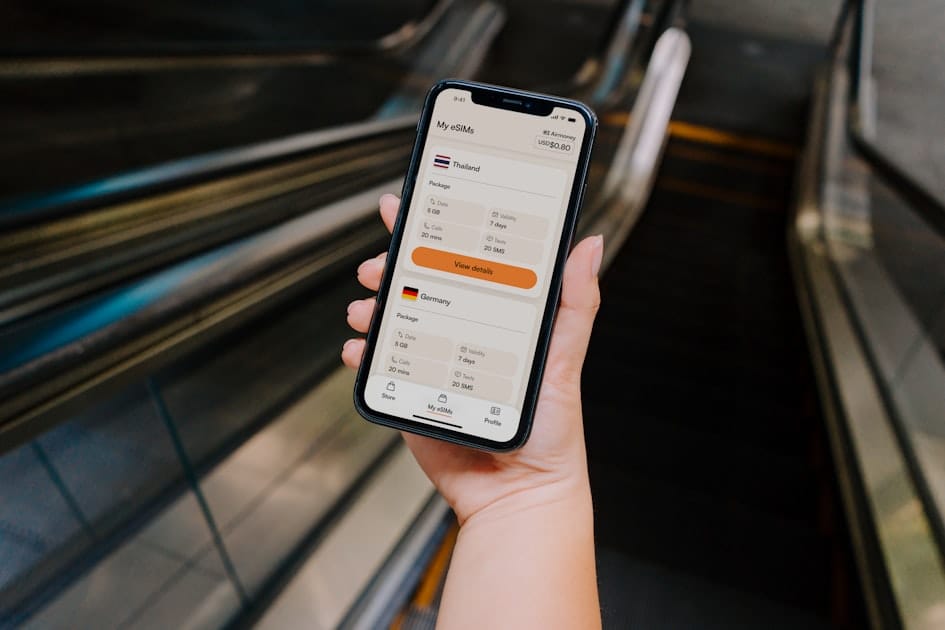
The term eSIM stands for embedded SIM. Unlike traditional SIM cards, eSIMs allow you to switch carriers without changing the physical SIM card. This technology has revolutionized how travelers access mobile networks abroad, providing flexibility and cost savings.
Why eSIMs Are Ideal for Travelers
- Ease of Use: Simply scan a QR code to activate the eSIM, and you're good to go.
- No Physical SIM Needed: Avoid the hassle of swapping SIM cards and carrying multiple SIMs.
- Global Connectivity: Easily switch between local carriers to get the best rates.
- Dual SIM Functionality: Keep your existing number active while using a local data plan.
- Environmentally Friendly: Reduces plastic waste associated with traditional SIM cards.
Recommended eSIM Providers
1. Airalo
Airalo is one of the most popular eSIM providers, offering coverage in over 190 countries. Their plans are flexible, and you can choose based on your destination and data needs. Airalo is particularly great for students and frequent travelers who move between different countries.
- Pros: Extensive global coverage, easy setup, competitive pricing.
- Cons: May not always offer the fastest speeds in rural areas.
2. Saily
Saily provides a wide range of affordable eSIM plans with a strong reputation for customer service. Their plans are perfect for budget travelers who still want reliable service.
- Pros: Affordable plans, excellent customer support.
- Cons: Limited to certain regions, which might not cover less-traveled areas.
3. Jetpac
Jetpac is another excellent option for those seeking unlimited data while traveling. They offer attractive packages that cater to both short-term and long-term travelers.
- Pros: Unlimited data plans, strong network partnerships.
- Cons: Higher upfront costs for unlimited plans.
When This Is NOT for You
While eSIMs provide numerous benefits, they might not be suitable for everyone. If you have a phone that does not support eSIM technology, or if you travel to regions with limited eSIM coverage, traditional SIM cards or portable Wi-Fi devices might be a better fit.
Traditional SIM Cards: A Reliable Alternative
For many travelers, purchasing a local SIM card upon arrival remains a popular option. Here’s why:
- Cost-Effective for Long Stays: Local SIM cards often offer the best rates for long-term stays in a single country.
- Wide Availability: Easily available at airports, convenience stores, and mobile shops.
- No Internet Required for Activation: Unlike eSIMs, no internet connection is needed for initial setup.
Tips for Buying Local SIM Cards
- Research Before Arrival: Check online forums and travel guides for recommendations on the best local carriers.
- Compare Plans: Evaluate different plans based on data limits, validity period, and cost.
- Bring Identification: Some countries require identification to purchase a SIM card, so have your passport handy.
- Check for Compatibility: Ensure your phone is unlocked and compatible with the local network frequencies.
Portable Wi-Fi Devices: Convenience at a Cost
Portable Wi-Fi devices, also known as personal hotspots, provide another way to stay connected. These devices create a local Wi-Fi network that can connect multiple devices.
Benefits of Portable Wi-Fi Devices
- Connect Multiple Devices: Ideal for families or groups traveling together.
- Secure Connection: Provides a private network, reducing the risk of public Wi-Fi vulnerabilities.
- Flexible Plans: Choose from daily, weekly, or monthly plans based on your travel itinerary.
Drawbacks to Consider
- Higher Daily Costs: Generally more expensive than SIM cards if used for extended periods.
- Additional Device to Carry: Requires charging and can be bulky.
- Variable Speed: Performance depends on the local carrier's network strength.
Comparison Table: eSIMs vs Traditional SIMs vs Portable Wi-Fi
| Feature | eSIMs | Traditional SIMs | Portable Wi-Fi Devices |
|---|---|---|---|
| Ease of Use | High | Moderate | Moderate |
| Setup Time | Instant (QR code) | Quick (in-store) | Moderate (device setup) |
| Cost | Moderate | Low | High |
| Data Limits | Variable | Often higher | Often unlimited |
| Device Compatibility | Requires eSIM support | Requires unlocked phone | Works with any device |
| Convenience | High | Moderate | Moderate |
| Coverage | Global | Country-specific | Global (depends on SIM) |
Utilizing Wi-Fi Networks: A Free Option
While traveling, leveraging free Wi-Fi networks can significantly cut down on mobile data costs. Here are some tips to maximize free Wi-Fi usage:
- Hotels and Accommodations: Most hotels offer complimentary Wi-Fi. Always check the quality and speed upon check-in.
- Cafés and Restaurants: Chains like Starbucks and McDonald's provide free Wi-Fi. Purchase a small item to utilize their network.
- Public Wi-Fi: Airports, libraries, and public transport hubs often have free Wi-Fi.
Security Tips for Using Public Wi-Fi
- Use a VPN: A Virtual Private Network (VPN) encrypts your internet connection, protecting your data.
- Avoid Sensitive Transactions: Refrain from accessing banking apps or entering passwords on public networks.
- Disable Automatic Connectivity: Prevent your device from automatically connecting to open networks.
Leveraging Educational Platforms for Connectivity
Studying abroad or engaging in international academic programs often provides opportunities for internet access. Platforms like Truescho not only help in finding educational opportunities but also provide resources and tools that might include connectivity options.
Truescho’s Role in Enhancing Connectivity
- Scholarship Information: Access scholarships that might offer data plans or device stipends.
- Digital Tools: Utilize tools like the GPA Calculator to manage academics seamlessly.
- Community Forums: Connect with other students to share tips on staying connected abroad.
How to Choose the Right Option for You
Selecting the best internet solution while traveling depends on several factors, including your budget, destination, and data usage requirements. Here’s a step-by-step guide to making an informed choice:
- Determine Your Budget: Calculate how much you’re willing to spend on internet access during your travels.
- Assess Your Data Needs: Estimate the amount of data you’ll need based on your planned activities.
- Research Local Options: Investigate local SIM card prices and availability.
- Check Device Compatibility: Ensure your phone supports eSIMs or is unlocked for local SIMs.
- Read User Reviews: Look for reviews and testimonials from other travelers about their experiences with different providers.
Step-by-Step Guide to Setting Up an eSIM
- Verify Device Compatibility: Check if your smartphone supports eSIM technology.
- Select a Provider: Choose from providers like Airalo, Saily, or Jetpac.
- Purchase a Plan: Visit the provider’s website, select your destination, and choose a suitable plan.
- Receive the QR Code: After purchase, you’ll receive a QR code via email.
- Activate the eSIM: Go to your phone’s settings, scan the QR code, and follow the prompts to activate your eSIM.
- Test Your Connection: Once activated, test your internet connection to ensure everything is functioning correctly.
Conclusion
In 2026, staying connected while traveling is easier and more affordable than ever, thanks to innovations like eSIM technology and a variety of data solutions tailored to every traveler’s needs. By understanding your data requirements, researching available options, and selecting the right plan, you can enjoy unlimited internet access wherever your travels take you. Whether you're a student exploring new academic horizons or a digital nomad working from exotic locations, these strategies will ensure you’re never out of touch.
FAQs
What is the cheapest way to get unlimited internet while traveling?
The most cost-effective method often involves using an eSIM provider like Airalo, which allows you to purchase affordable data plans for individual countries or regions. Local SIM cards can also be economical if you're staying in one country for an extended period.
Can I use my home country’s SIM card while traveling?
Yes, but it may incur high roaming charges. It’s generally more affordable to use a local SIM card or eSIM plan tailored to the country you’re visiting.
How do I know if my phone supports eSIM?
Check your phone's specifications on the manufacturer’s website or in the settings under cellular options. Most newer models from major brands like Apple and Samsung support eSIM.
Are portable Wi-Fi devices worth the cost?
Portable Wi-Fi devices are beneficial for group travelers who need to connect multiple devices. However, for solo travelers, eSIMs or local SIM cards may offer better value.
How can I ensure my data is secure while using public Wi-Fi?
Use a reputable VPN service to encrypt your internet connection and avoid conducting sensitive transactions on public networks.
What should I do if my eSIM isn’t working?
First, ensure that your phone is compatible with eSIMs and that your plan is active. If issues persist, contact the provider’s customer support for assistance.
Is it possible to get unlimited data plans with local SIM cards?
Some countries offer unlimited data plans with local SIM cards, but they may have fair usage policies or speed throttling once a certain data limit is reached. Always read the terms and conditions carefully.
Can I switch between eSIM and physical SIM while traveling?
Yes, most phones with eSIM capability allow you to switch between an eSIM and a physical SIM card, offering flexibility in managing your connectivity options.