
OpenAI Launches GPT-Live New Voice Models for Natural Conversations
Published for truescho.com international readers
Source: OpenAI official YouTube thumbnail

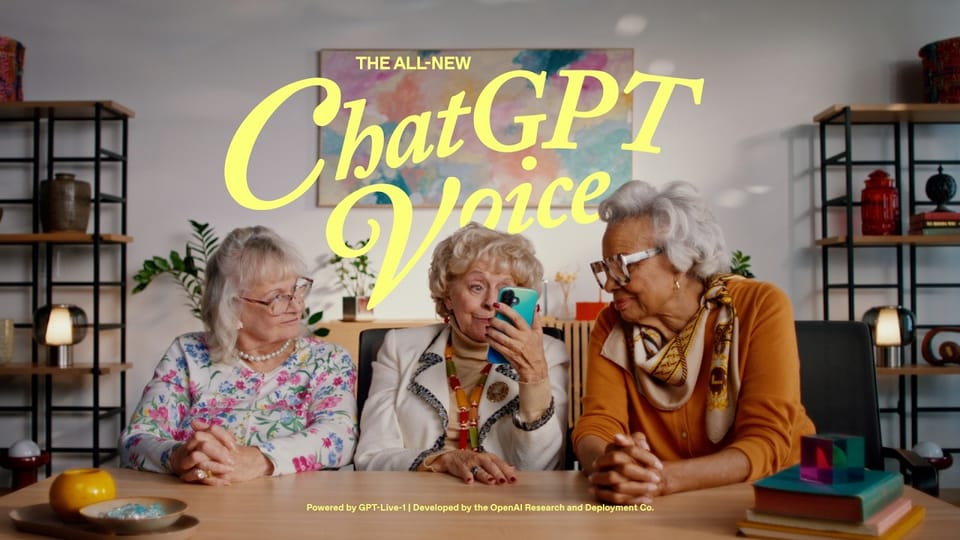
On July 8, 2026, OpenAI introduced GPT-Live, a new generation of voice models powering ChatGPT Voice. The update brings full-duplex conversation — the AI can listen and speak at the same time — making interactions feel significantly more natural and fluid than previous versions.
GPT-Live-1 (for paid users) and GPT-Live-1 mini (for free users) replace or enhance the earlier Advanced Voice Mode experience with better turn-taking, natural acknowledgments like "mhmm" or "yeah," smarter background reasoning, visual cards, and improved handling of pauses and noise.
This is one of the most substantial upgrades to conversational AI voice since ChatGPT first gained voice capabilities.
What Is GPT-Live? Full Context and Technical Details
Previous ChatGPT voice systems fell into two categories:
- Early cascaded systems chained separate speech-to-text, language model, and text-to-speech components. This created latency and information loss.
- Turn-based models like Advanced Voice Mode improved speed by handling audio directly in one model but still required clear pauses before responding. Brief silences or background noise could trigger awkward interruptions.
GPT-Live solves these with a full-duplex architecture. The model continuously processes incoming audio while generating speech. It decides moment-by-moment whether to speak, listen, pause, or interrupt naturally.
Key capabilities announced:
- Natural back-and-forth: The model can interject "mhmm," acknowledge points while you speak, handle quick exchanges, or stay quiet when you pause to think.
- Delegation for intelligence: When a query needs deep reasoning, web search, or complex work, GPT-Live delegates to frontier models (starting with GPT-5.5 at launch) in the background. It keeps the conversation flowing and returns results seamlessly when ready.
- Visual responses: Rich cards appear for weather, stocks, sports scores, and other glanceable information during voice chats.
- Remastered voices: Nine distinct voices received updates for expressiveness.
- Better listening: Improved noise robustness (traffic, conversations nearby) and respect for user requests to "stay quiet and listen."
- Multimodal continuity: Voice works alongside text, images, memory, and search in the same chat.
OpenAI released detailed safety work alongside the launch, including new voice-native evaluations for self-harm, emotional reliance, sexual content, and other risks. The system can steer responses, play safety messages, or end conversations in higher-risk scenarios. Legacy voice modes remain available where needed.
Official visuals and demo transcripts are embedded throughout the announcement page:
https://openai.com/index/introducing-gpt-live/ These include side-by-side comparisons of old cascaded/turn-based vs. new continuous interaction, example conversation transcripts, and screenshots of visual cards appearing during voice sessions. The separate GPT-Live System Card at https://deploymentsafety.openai.com/gpt-live provides full safety evaluations and comparisons.
The models are rolling out to the consumer ChatGPT experience. API availability was signaled as coming soon, with a sign-up form for developers and enterprises.
How to Access GPT-Live from Anywhere: Availability, Pricing, and Global Rollout
GPT-Live is rolling out globally to logged-in ChatGPT users on iOS, Android, and chatgpt.com. It is the new default voice experience.
Access details:
- Free users receive GPT-Live-1 mini as the default.
- Paid users (Go, Plus, Pro) receive GPT-Live-1.
- Available in the Voice button in the ChatGPT apps and web.
- Not available at launch in ChatGPT Business, Enterprise, or Education workspaces.
- Legacy Standard and Advanced Voice Mode remain accessible for features not yet supported in the new experience (such as video or screen sharing).
Pricing (ChatGPT consumer plans, July 2026):
- Free: $0 — GPT-Live-1 mini. Limited messages and features.
- Go: Approximately $8 per month — Expanded access, GPT-Live-1.
- Plus: $20 per month — Full advanced features and GPT-Live-1.
- Pro: $100–$200 per month — Highest limits and reasoning capabilities, GPT-Live-1.
More granular availability and limits are detailed in OpenAI's Help Center:
https://help.openai.com/articles/20001274
The rollout is worldwide, though some regions may see phased availability. Users report seeing the update within days of the July 8 announcement. To use it, simply tap the voice icon in a new or existing chat. You can still switch back to legacy modes in Settings > Voice if preferred.
No special hardware is required beyond a standard smartphone, tablet, or computer with a microphone.
What This Means for You: Global Users, International Students, Pricing, and Language Support
Voice AI has particular power for learners and busy students. On Truescho — the global platform for scholarships, study opportunities, and related resources — users frequently juggle applications, language practice, research, and travel planning across time zones.
GPT-Live's natural flow makes it excellent for:
- Language practice: Converse in English (or other languages) with realistic interruptions and feedback. Practice pronunciation, fluency, and interview responses hands-free.
- Hands-free studying: Explain concepts aloud while walking, commuting on crowded trains in major cities, or cooking. Dictate notes or brainstorm scholarship essays verbally.
- Complex explanations: Ask for step-by-step breakdowns of difficult topics (university rankings, visa processes, research methodologies) and receive spoken answers while viewing supporting visual cards.
- Accessibility and multitasking: Students with visual fatigue or those who learn better auditorily benefit greatly. Parents or caregivers can review materials while handling other responsibilities.
Global access and pricing: The free tier now delivers a meaningfully better voice experience than before. For serious daily use, the $8 Go or $20 Plus plans are widely considered accessible entry points for international students. Pro tiers serve researchers or those running high-volume voice sessions.
Language support: OpenAI states GPT-Live is "optimized for some of the most popular languages in ChatGPT." For certain languages, including potentially Arabic and dialects, users may notice non-native accents or fluency gaps. The company says it is actively working to improve cross-language performance. Text-based Arabic in ChatGPT remains strong; voice quality continues to evolve. Previous community reports noted challenges with Arabic dialects in earlier voice modes, so expectations should be managed while improvements roll out.
For Truescho users in the Arab world, Gulf countries, Southeast Asia, Africa, and Latin America, this upgrade makes voice a more viable daily companion for English practice ahead of study abroad or scholarship interviews, or for reviewing materials during long commutes.
Comparison with Alternatives
GPT-Live raises the bar for conversational naturalness and background intelligence.
- Google Gemini Live: Strong real-time multimodal capabilities, good integration with Google services, and solid multilingual support. Often praised for visual understanding. Turn-taking and delegation depth differ; some users find Gemini more proactive while GPT-Live emphasizes fluid listening.
- Legacy ChatGPT Advanced Voice Mode: The previous turn-based system. GPT-Live is preferred in OpenAI's internal evaluations for pleasantness, flow, interruptions, and natural feel. Legacy modes remain for specific missing features (video/screen sharing).
- Apple Siri / Google Assistant / Amazon Alexa: Widely available and fast for simple commands. Significantly less capable on complex reasoning, long-form explanations, or delegating research tasks.
- Other realtime voice tools (including OpenAI's own earlier Realtime API previews): GPT-Live brings frontier-level delegation inside the familiar ChatGPT interface without requiring developers to build separate agents.
Strength of GPT-Live: Seamless integration with the full ChatGPT ecosystem (search, memory, images, files) plus continuous conversation and visual cards. Delegation to the latest models keeps answers current.
Trade-offs vs. alternatives: Google often wins on certain visual or search-native tasks. Dedicated assistants may feel lighter for ultra-simple queries. No video or screen sharing at launch limits some collaborative use cases.
Honest Weaknesses and Real Limitations
OpenAI has been candid about current constraints:
- Language gaps: Optimized primarily for popular languages. Non-native accents or fluency shortfalls possible in Arabic, other dialects, and less common languages. Ongoing work to improve.
- No video or screen sharing at launch: Users needing visual collaboration must fall back to legacy Advanced Voice Mode or text+image workflows.
- Consumer-only at launch: Not available in Business, Enterprise, or Education plans initially. Developers must wait for API rollout.
- Background compute reliance: Full intelligence depends on delegation to flagship models. This works well but means some latency or limits during peak times.
- Emotional reliance risks: OpenAI explicitly monitors and builds safeguards around over-attachment to voice conversations. Real-time interventions exist, but users (especially younger students) should use voice features mindfully.
- Rollout timing: Not every user sees the update immediately. It may take hours or a day or two to propagate.
- No independent API access yet: Power users wanting to build custom voice agents must wait for the promised API release.
Safety evaluations showed comparable or better performance than Advanced Voice Mode in most tested categories, with minor noted variations in emotional reliance and certain content areas (not statistically significant in some cases).
Frequently Asked Questions (FAQ)
What is OpenAI GPT-Live and how is it different from Advanced Voice Mode?
GPT-Live (launched July 8, 2026) is a full-duplex voice model that listens and speaks simultaneously for more natural conversations. It adds background delegation to frontier models and visual cards. Advanced Voice Mode was turn-based.
How do I start using GPT-Live?
Open the ChatGPT app or chatgpt.com, tap the Voice button, and speak. Paid plans get the full GPT-Live-1 model; free users get GPT-Live-1 mini. It is rolling out globally now.
Does GPT-Live support Arabic?
Text support is strong. Voice is optimized for popular languages with potential accent or fluency gaps in Arabic and dialects. OpenAI is actively improving multilingual voice performance.
What ChatGPT plan do I need for the best GPT-Live experience?
Free users get the mini version. Go ($~8/mo), Plus ($20/mo), or Pro ($100–200/mo) unlock GPT-Live-1 with higher capabilities and limits.
Can I still use the old voice modes?
Yes. Legacy modes remain available in Settings for cases where video, screen sharing, or other features are needed.
Is GPT-Live available on API or for businesses?
Consumer ChatGPT only at launch. API access is planned; sign up for notifications on the OpenAI site. Not yet in Business/Enterprise workspaces.
What are the main safety features?
Real-time input/output checking, steering or interruption of unsafe content, spoken safety messages, crisis resources for self-harm, teen-specific protections, and monitoring for emotional reliance.
Will it work well in noisy environments?
Improved noise handling is a highlighted benefit compared with earlier versions.
Sources and Further Reading
- Official announcement: "Introducing GPT-Live" — https://openai.com/index/introducing-gpt-live/ (July 8, 2026). Primary source for architecture, demos, visuals, and rollout details.
- GPT-Live System Card (safety evaluations): https://deploymentsafety.openai.com/gpt-live (July 8, 2026).
- TechCrunch coverage and corroboration of features and comparisons.
- OpenAI Help Center Voice Mode FAQ and release notes for availability and plan details.
- ChatGPT pricing: https://chatgpt.com/pricing/
All information drawn from primary OpenAI sources, system documentation, and multiple corroborating reports as of July 11, 2026. Facts about language support and limitations are quoted or paraphrased directly from OpenAI's statements.