
Article 1 ===
Claude Fable 5.1 and Mythos 5.1: Anthropic's New Models Beat Opus 5 and Cut Agentic Costs by Up to 45%
Last updated: September 2, 2026 — one of the first in-depth English breakdowns of the release.
On September 1, 2026, Anthropic announced two new Claude models: Claude Fable 5.1, generally available immediately across all platforms, and Claude Mythos 5.1, a less-restricted tier reserved for verified cybersecurity and life-sciences organizations. For anyone running AI agents in production, the headline numbers matter: stronger coding and automation performance than Opus 5 across the published benchmarks, a roughly 25% cost reduction on typical workloads, and up to 45% savings on heavily agentic workloads — driven by a 75% cut in cached-token reads, down to $0.25 per million tokens. This guide unpacks the official announcement claim by claim, explains what changes for developers and enterprises worldwide, and is honest about what Anthropic did not disclose.
What Anthropic actually announced
The official announcement describes the two models as "the same model, but with different levels of safeguards." That framing is important. Fable 5.1 is the general-release model developers access through the API under the model string claude-fable-5-1, available today on Anthropic's platforms and simultaneously through AWS, Google Cloud, and Microsoft Azure. Mythos 5.1 is the higher-capability configuration gated behind two verification programs: the Cyber Verification Program (CVP) and the Life Sciences Verification Program (LSVP), currently limited to US organizations with stated plans to expand. Anthropic's Claude Security product now runs on Mythos 5.1.
The release also sets different default effort levels per surface: High effort inside Claude Code, and Medium inside Claude Cowork and Claude.ai.
The benchmark picture against Opus 5 and GPT-5.6
The numbers published in the announcement tell a consistent story. Here are the key ones, exactly as reported:
| Benchmark | Fable 5.1 | Fable 5 | Opus 5 | GPT-5.6 Sol |
|---|---|---|---|---|
| Terminal-Bench 4.0 | 55.8% (Mythos 5.1: 60.9%) | 42.0% | 52.3% | 37.3% |
| CursorBench 3.2.0 (max effort) | 73.4% | 70.5% | 70.0% | 67.2% |
| GDPval-AA v2 | 1853 | 1723 | 1824 | 1711 |
| Humanity's Last Exam | 60.9% no tools / 65.0% with tools | — | — | — |
| AutomationBench | 31.4% | 17.1% | 26.9% | 19.6% |
| Terminal-Bench-Science 0.1 | 52.6% | 24.7% | 29.0% | 22.4% |
Notice where the jump is largest: not in knowledge questions but in long-running execution work. Full automation scores nearly doubled from the previous generation (17.1% to 31.4%), and science-terminal tasks more than doubled. That is precisely the profile of work modern coding agents are built for, which explains why Anthropic's messaging centers on agentic workloads.
Pricing in full detail
The list price is unchanged from the previous generation: $10 per million input tokens and $50 per million output tokens. The real change is caching: reading previously stored tokens now costs 75% less, at $0.25 per million tokens. Based on four weeks of August 2026 usage data cited by the company, typical workloads cost about 25% less, while "highly agentic" workloads — the kind that re-read long context windows repeatedly — cost up to 45% less.
If you are wondering why cache pricing matters this much: an agent that works for hours over a repository re-reads context files at every step, and cache reads can easily exceed half the total bill. Cutting them to a quarter of the price changes the economics of running agents outright.
Smarter guardrails instead of more guardrails
Anthropic has faced customer criticism over excessive refusals on benign requests — a debate we have tracked since the biology-safeguards update in Claude Fable 5 — and the announcement addresses it with numbers. Cyber false positives dropped 60%, interventions during Claude Code sessions fell by roughly 60% per session, and bio-safety blocks on benign elementary and medical queries are down 85% compared to Fable 5's launch state.
The red lines remain explicit. Fable 5.1 can find and assess software vulnerabilities defensively but will not develop exploits; dual-use cyber tasks such as penetration testing, exploit generation, and binary-based vulnerability scanning are still redirected to Opus models. The company also introduced Enterprise Frontier Safeguards (EFS), a privacy layer offering zero-data-retention-equivalent protection through customer-controlled storage, rolling out in phases starting this fall, plus an invisible output watermark with a detection API in private preview to support EU AI Act compliance. A new anti-distillation measure stops new API accounts from editing prior conversation context while preserving the model's thinking transcript.
Mythos 5.1: the high-capability tier for verified organizations
The more controversial half of the release is Mythos 5.1, which scored 60.9% on Terminal-Bench 4.0 — above every previously published result in the chart. It is designed for organizations that verify their identity and purpose through CVP or LSVP. The Verge's launch coverage also connected the release to Project Glasswing. The practical value here is for security analysts and life-science labs that need a model less hesitant on advanced work, without opening that access to everyone.
Real research results shipped with the launch
Source: Anthropic's official announcement
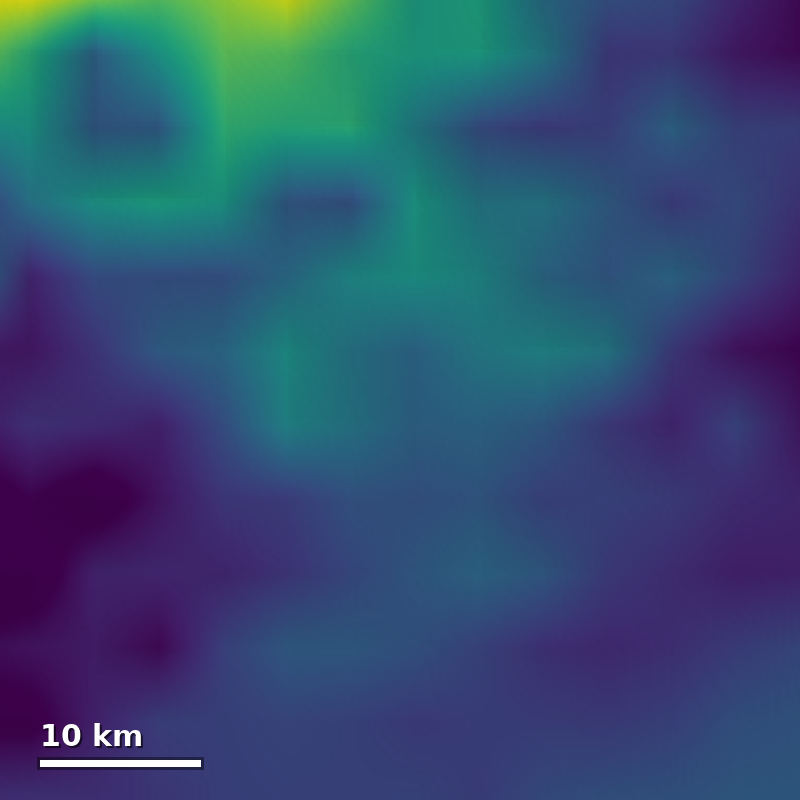
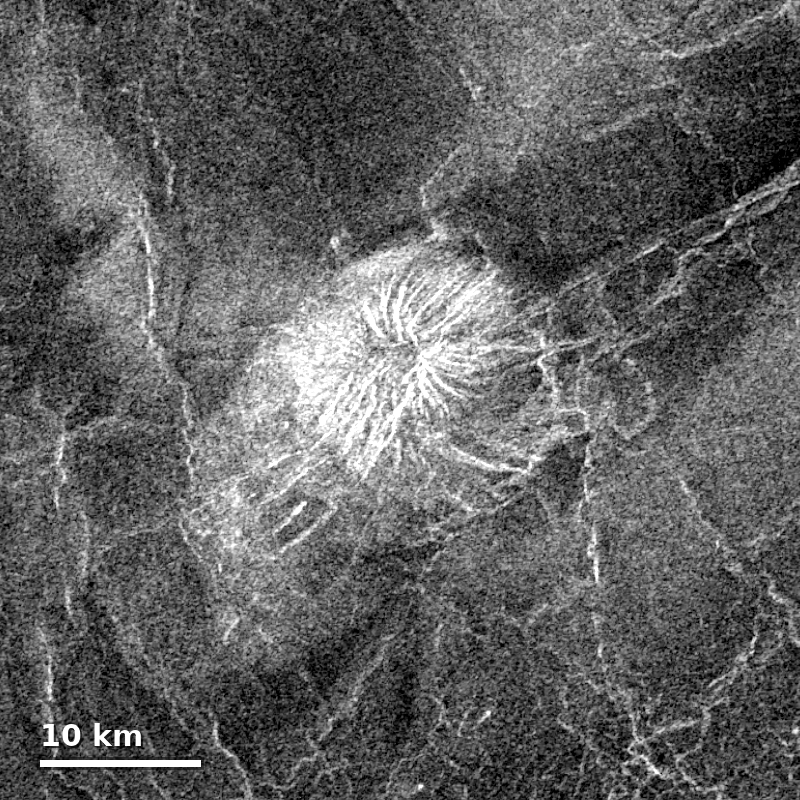
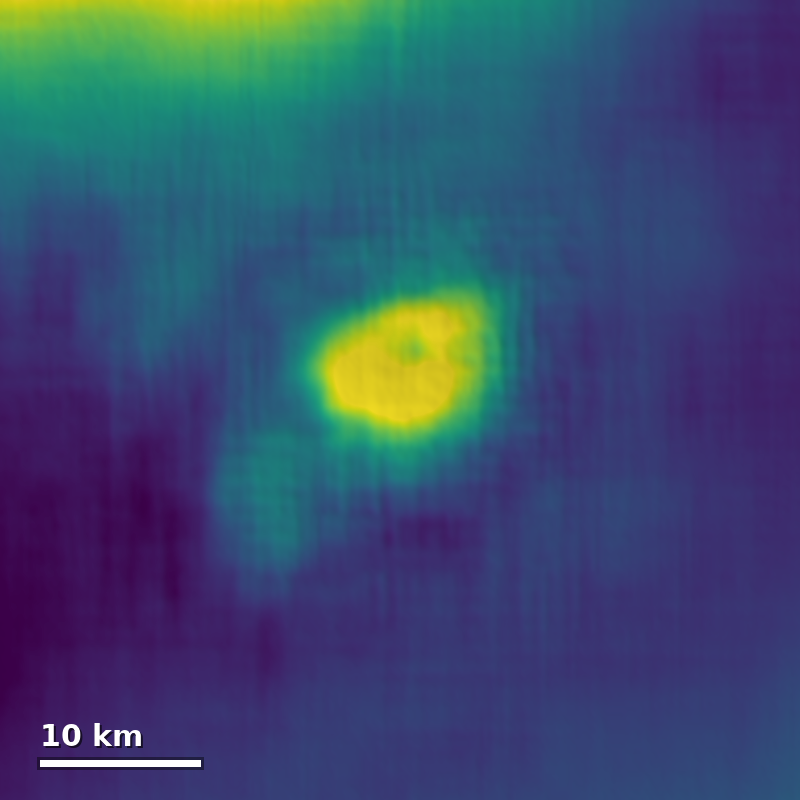
To demonstrate capability on real problems, Anthropic published three research results. First, protein designs with 10× higher binding affinity than the best Adaptyv Bio competition entries on three targets, with a hit rate approaching 50% across twelve targets versus the typical 10–15%. Second, a digital elevation model of Venus covering one-third of the planet at 2–3 km resolution — up from 10–20 km previously — with heights up to 25% more accurate, released under a CC license. Third, speedups of up to 2.5× across seven open-source bio-ML models via custom GPU kernels, cutting genome-wide analysis GPU costs by 30–60%.
Source: Anthropic's official announcement
What this means for you in practice
For developers and engineering leaders anywhere in the world, the practical points are these. The model is available immediately through Anthropic's site, the API, and all three major clouds — there is no regional wait listed in the announcement. API billing is in USD at the global rates quoted above. The model handles multilingual work, including non-Latin scripts, though peak performance historically shows in English tasks. If you operate coding agents on Claude today, switching the model string to claude-fable-5-1 is close to a no-brainer: better benchmark results and a lower bill at the same time. Teams doing offensive-security or advanced-biology work stay on Opus or apply to the verification programs.
For broader context on Anthropic's trajectory, we previously covered the incidents surfaced by Anthropic's cyber evaluations and the hardware standard Anthropic adopted for enterprise models, and compared the competitive field in the GLM-5.3 open-weights release.
Quick comparison: should you switch today?
| Criterion | Claude Fable 5.1 | Claude Opus 5 | GPT-5.6 Sol | GLM-5.3 (open) |
|---|---|---|---|---|
| Best-fit use case | Long-running coding agents | Dual-use cyber/bio tasks | General knowledge work | Self-hosted deployment |
| Input price per M tokens | $10 | Higher tier | Per plan | Free (self-run) |
| Cache read per M tokens | $0.25 | Higher | Per plan | Free |
| Terminal-Bench 4.0 | 55.8% | 52.3% | 37.3% | Not in this chart |
| Regional availability | Immediate, global | Immediate | Immediate | Open download |
Honest limitations to know before you depend on it
Every performance number above was published by Anthropic itself and has not yet been independently audited, so treat it as the company's best case, not a verdict. The announcement does not state the context window size or the knowledge cutoff — two facts that matter for real-world comparisons and were unavailable at publication time. Mythos 5.1 is out of reach unless your organization is US-based and admitted to one of the two verification programs. And the EU-compliance watermark and detection API remain in private preview, so do not build a compliance plan on them today.
Questions readers are asking
Is Claude Fable 5.1 available worldwide?
Yes. Since announcement day it is available globally through Anthropic's platforms and AWS, Google Cloud, and Azure, with no regional restrictions mentioned in the announcement.
What does Claude Fable 5.1 cost?
$10 per million input tokens and $50 per million output tokens, with cached reads at $0.25 per million tokens after a 75% reduction.
What is the difference between Fable 5.1 and Mythos 5.1?
They are the same model with different safeguard levels: Fable is general-release, while Mythos is less restricted but limited to verified US organizations in cybersecurity and life sciences.
Does Fable 5.1 really outperform Opus 5?
On the published coding and automation benchmarks, yes: 73.4% versus 70.0% on CursorBench and 31.4% versus 26.9% on AutomationBench, with specific dual-use tasks still redirected to Opus.
Do I need code changes to move from Fable 5?
The main change is the model string claude-fable-5-1 in API calls; the announcement indicates the rest of the surface stays compatible.