
Canada Now Lets Work Permit Holders Study Up to 6 Months Without a Study Permit (Until End of 2027)
Last updated: September 30, 2026 — based on an official Immigration, Refugees and Citizenship Canada (IRCC) notice published September 9, 2026, and the standing rules on canada.ca.
On September 9, 2026, Immigration, Refugees and Citizenship Canada (IRCC) announced a temporary public policy that lets work permit holders in Canada study for up to six months without a study permit, with the measure set to remain in effect until December 31, 2027. The policy targets people already working in Canada — explicitly naming tradespeople, nurses, and laboratory technicians — who need short-term licensing, education, or training to do their jobs. If you already work in Canada on a valid permit, or you are planning a move, this guide explains exactly what changed, what did not, and how to use the policy without breaking the conditions of your stay.
What Canada Announced on September 9, 2026
The official notice, published on the Government of Canada's portal under a headline about "maximizing the contributions of temporary workers," sets out three practical points:
| Element | Detail as stated in the official notice |
|---|---|
| What is now allowed | Studying or training for up to 6 months without a separate study permit |
| When the authorization stops | After 6 months or when the work permit ends — whichever comes first |
| How long the measure lasts | Until December 31, 2027 |
| When rollout began | IRCC started notifying eligible permit holders in the week of September 9, 2026 |
The measure sits inside a declared economic context: filling labour shortages in specific sectors, supporting public services, home building, and what the notice calls "nation-building projects." At the same time, IRCC stressed that this is "not a new pathway for workers to come to Canada" — a sentence that matters more than it looks, and one we unpack below.
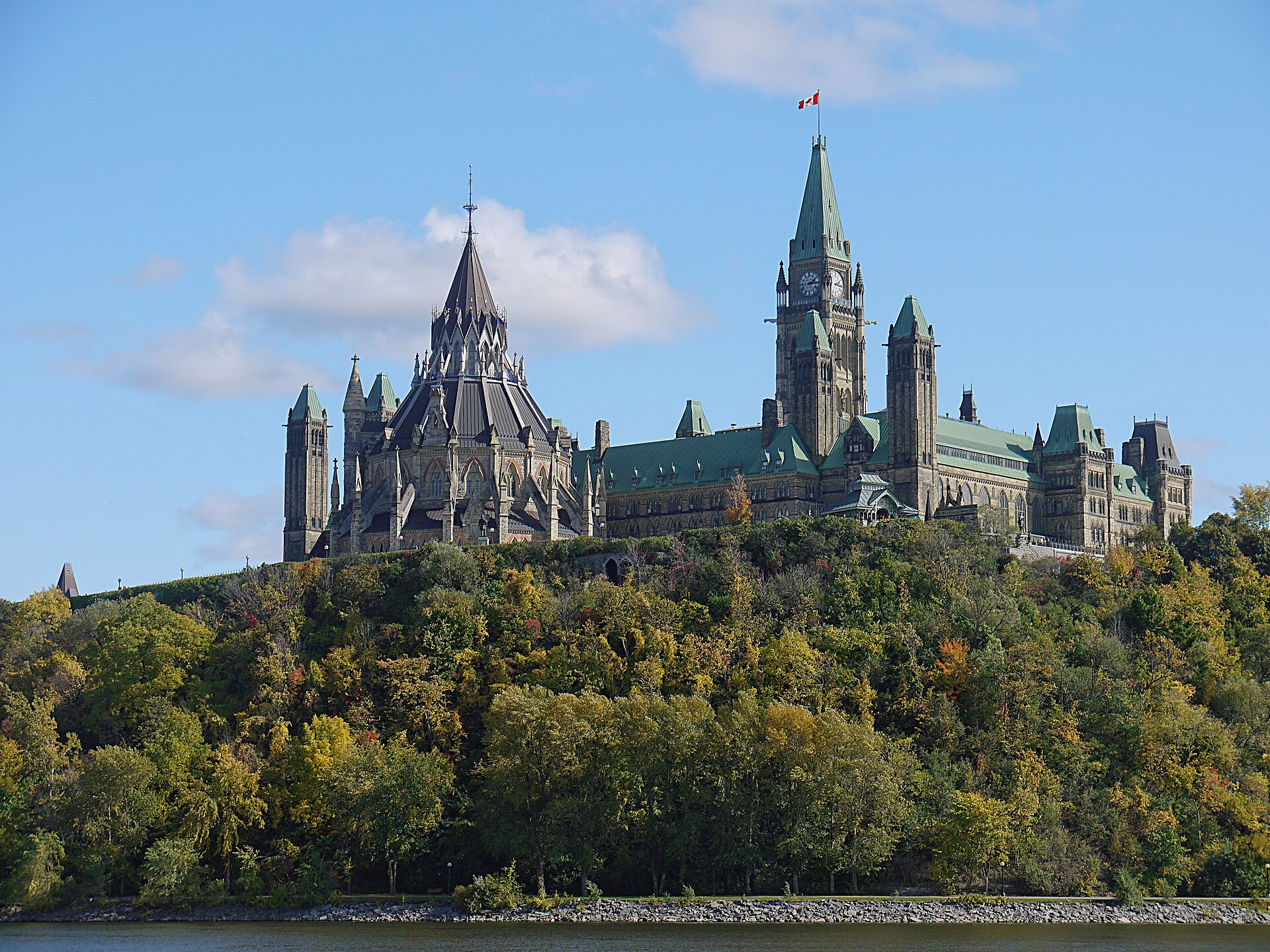
Source: Wikimedia Commons — Parliament Hill from the Ottawa River

The Standing Rule vs the New Policy: What Actually Changed?
Before the notice, the rules published on canada.ca already allowed some short study without a permit, but in practice workers and employers found the boundaries confusing. Here is the complete picture as set out on the official "who can study without a permit" page:
- Programs of six months or less: the official page states verbatim: "You don't need a study permit if you're coming to Canada for a program that lasts 6 months or less" — provided you finish it within your authorized stay.
- Workers studying while working: the same page says "you may be eligible to study without a study permit for 6 months or less while you work," with two conditions — you must hold a valid work permit, and your program must be 6 months or less. The cap is explicit: you are "authorized to study for up to 6 months or until your work permit expires, whichever comes first."
- Other standing exemptions: family or staff of accredited foreign representatives, visiting foreign armed forces members, Registered Indians, several categories of minor children, and settlement or French integration courses in Quebec.
So what is new in the September 2026 measure? Three things. First, a clearly announced temporary public policy: IRCC itself began directly notifying eligible work permit holders in the week of September 9. Second, a targeted message to the health, trades, and laboratory sectors: you can complete short licensing or training without processing a full study permit. Third, legal certainty — the measure is anchored with an end date of December 31, 2027, which gives employers and colleges a stable planning horizon.
| Criterion | Short study without a permit (after the notice) | Full study permit |
|---|---|---|
| Maximum program length | 6 months or your work permit's expiry (whichever is closer) | None — full programs |
| Study load | Short programs (training/licensing) — full-time study still needs a permit | Full-time or part-time |
| Government processing fees | No study permit = no study permit fees | Study permit fees + full financial proof |
| Who it is for | Valid work permit holders already working in Canada | Any international student admitted to a designated learning institution (DLI) |
| Duration of the measure | The notice runs until December 31, 2027 | Permanent system |
Who Actually Benefits From This Policy?
The notice names three groups specifically, because they face the sharpest labour shortages:
- Tradespeople in construction and technical occupations. Provincial licensing, safety certification, and trade refresher courses often run weeks to a few months. Waiting on a study permit used to stall their transition into active work.
- Nurses and nursing staff. Refresher programs, partial credential bridging, and updating training required to meet provincial licensing standards.
- Laboratory technicians. Short specialized trainings and skills-certification courses needed for practice.
The broader practical beneficiary is any foreign worker in Canada who needs a short training or licensing course to stabilize their professional standing. If your goal is a university degree or a long diploma, the route remains the full study permit — we cover that path in depth in our Canada Study Permit 2026 guide: conditions, financial proof, and how to apply.
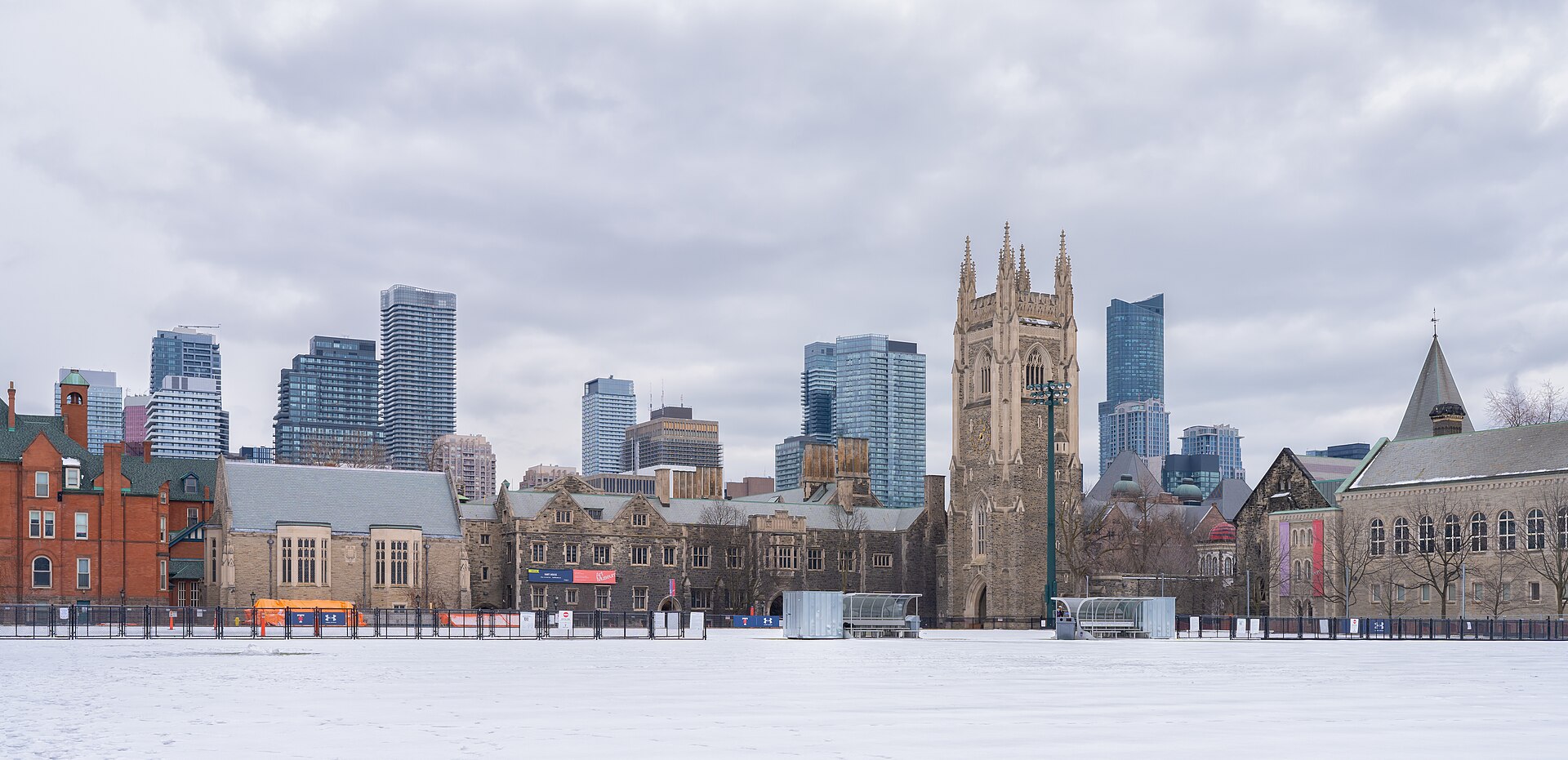
Source: Wikimedia Commons — University of Toronto Back Campus

Conditions, Step by Step
If you are currently working in Canada on a work permit, verify four things before enrolling anywhere:
- A valid work permit. The measure speaks about work permit holders who are in Canada. If your permit expires soon, your real study ceiling is its expiry date — not a full six months.
- A program no longer than six months. Get the program length in writing from the institution. The school does not need to be on the DLI list because you are not requesting a study permit, but recognized training matters to your licensing body.
- Count both dates. Program start plus six months, and your work permit's expiry date — you must finish before whichever comes first.
- Full-time study is outside the measure. The notice is explicit: "Full-time studies will still require a study permit." Do not confuse an evening licensing course with a full-time program.
One practical tip: keep a copy of your enrollment confirmation and the documented program length. If an officer or a licensing body ever asks, that paperwork proves your study stayed inside the allowed window.
What This Means for You, by Situation
If you are a worker in Canada right now: this is the easiest window in years to complete any licensing or training your job requires. No study permit fees, no extra processing wait. Start with your provincial licensing body or a community college, then confirm the course length fits your time ceiling.
If you are outside Canada planning to study there: this policy is not for you. IRCC states plainly that the measure is "not a new pathway for workers to come to Canada." Your route remains a study permit through a designated learning institution — and you can plan the budget with our Cost of Immigration to Canada 2026 breakdown with real numbers.
If your goal is permanent residence: short study does not create a status, but it accelerates your professional stability, which feeds your points profile. Build the bigger picture starting from our Express Entry 2026 guide.
The Bigger Picture: Why Now?
The notice did not appear in isolation. In the same text, the government reiterates its commitment to "reducing the temporary population to less than 5% of the total population by the end of 2027." In plain terms: Canada is pressing down on new temporary arrivals while raising the productivity of those already in the country — and letting permit holders retrain quickly is part of the second half of that equation.
That balance also explains why the measure explicitly avoids becoming a door for arrivals from abroad, and why construction and health occupations were named first — those are the sectors under the heaviest economic and social pressure.
Common Mistakes That Could Cost You Your Status
- Assuming the measure covers full-time university study. It does not. Enrolling in a full program without a study permit breaches your conditions of stay.
- Ignoring your work permit expiry date. The ceiling is double (six months or permit expiry), and the closer date governs.
- Counting six months from the day you start thinking about it. The window attaches to the program itself.
- Leaving professional licensing to the last minute. Provincial licensing seats are limited, and although the measure runs until the end of 2027, that is not a reason to delay.
- Mixing up this measure with the six-month visitor-student rule. The two sit next to each other but serve different people and purposes.
Frequently Asked Questions
Can every work permit holder in Canada study without a study permit?
Under the official rules page, someone holding a valid work permit may study "for 6 months or less while you work," provided the program itself is 6 months or less and finishes before the permit expires. The September 2026 notice activated this more broadly and announced direct notifications to eligible holders, through the end of 2027.
Is full-time study allowed without a permit under the new measure?
No. The notice is explicit: "Full-time studies will still require a study permit." The measure is designed for short-term licensing, education, and training.
How long does the permit-free study authorization last?
The temporary measure runs until December 31, 2027. After that, the standing permanent rules apply unless the government extends or makes the policy permanent.
Does this create a new immigration pathway to Canada?
No. The notice states the measure "is not a new pathway for workers to come to Canada." It serves people already living and working in Canada on a valid permit and grants no new residence status by itself.
How is this different from the six-month rule for visiting students?
The visitor rule concerns people coming to Canada for a short program (6 months or less) within their authorized stay. The 2026 measure concerns residents on work permits and covers training and licensing while they keep working.
Where can I verify program details?
Start with the official "who can study without a permit" page on canada.ca, then your provincial licensing body. For scholarships and study options matched to your profile, browse Truescho's open opportunities.
Your Next Step
If you are working in Canada right now: identify the course your professional license requires, confirm it fits your time ceiling, and enroll — this measure was designed to be used now. If you are planning full studies or scholarships in Canada or elsewhere, start with Truescho's Apply-For-Me service, which manages your file from selection to submission, or read the complete study permit guide to build a strong application the first time.