
Last updated: September 2026. Did you buy an iPhone 16 — or an iPhone 15 Pro — between June 2024 and March 2025 while living in the United States? If yes, you can file an Apple Siri settlement claim right now and receive about $25 per eligible device, possibly up to $95. Apple agreed to pay $250 million to settle the lawsuit, and the claims window opened on September 21, 2026. You have until December 21, 2026 to file.
That is the short version. This guide walks through the full picture: exactly who qualifies, how to file step by step, why Apple is paying at all, and the fine print that decides whether your claim succeeds or gets thrown out. The details below come from the settlement itself, as reported by The Verge and MacRumors, and from Apple's own announcements.
One thing to be clear about from the start: this is a practical guide to a settlement that was agreed back in May 2026, not breaking news. The claims window only just opened, which is why it is suddenly everywhere — but the rules were fixed months ago, and they are strict about who counts.
Who Qualifies, and for How Much
The eligibility rules are narrow, and Apple did not write them loosely. You must meet all three conditions: you were a resident of the United States at the time, you bought one of the qualifying iPhone models, and you bought it inside the purchase window.
| Requirement | Details |
|---|---|
| Eligible devices | iPhone 15 Pro, iPhone 15 Pro Max, and any iPhone 16 model |
| Purchase window | June 10, 2024 to March 29, 2025 |
| Residency | You must have been a US resident |
| Payout per device | About $25, potentially up to $95 depending on claim volume |
| Total settlement fund | $250 million |
| Claims window | Opened September 21, 2026; closes December 21, 2026 |
A few practical notes on those rows. The payout rises if fewer people file than expected — the settlement's own text says the per-device amount can go as high as $95. It can also shrink if claims flood in. The $25 figure is the estimate, not a guarantee.
Residency is the line most international readers will trip over, so it deserves its own plain answer. This is a US class action, decided in a US court, paying US residents. A software engineer from Lagos, a student from Mumbai, or a nurse from Manila does qualify if she was living in the United States — on a work visa, as a student, anything — and bought her iPhone there during the window. Someone who bought the same iPhone in London, Dubai, Lagos, or São Paulo does not. The purchase has to sit inside the US lawsuit's borders, not just inside the Apple Store.
How to File Your Claim, Step by Step
Filing is deliberately simple. The settlement site does not ask for a lawyer, a receipt in most cases, or any payment — anyone charging you to file is running a scam. Here is the process, end to end.
- Confirm your device and window. Check that your iPhone is an iPhone 15 Pro, iPhone 15 Pro Max, or any iPhone 16 variant, and that you bought it between June 10, 2024 and March 29, 2025.
- Find your serial number. On the iPhone, open Settings, tap General, then About. The serial number is listed there. If the phone will not turn on, the serial is also printed on the original box and in your Apple account's device list.
- Go to the official settlement site. The court-approved site is named smartphoneaisettlement.com. Type it carefully — copycat sites appear whenever a big settlement opens. You can find the official link through The Verge's or MacRumors' coverage if you want to be safe.
- Fill in the claim form. You provide your name, your contact details, and the iPhone serial number for each device you are claiming.
- Submit before the deadline. The hard cutoff is December 21, 2026. File early, keep the confirmation screen or email, and you are done.
The whole process takes most people under ten minutes. There is no fee, and claims opened on September 21, 2026 — so anyone telling you the window is nearly closed is wrong by three months. It closes only when the December deadline passes.
What Happens After You File
Submitting the form is not the last step in the legal machine, even though it is the last step for you. After the claims window closes, the settlement administrator has to validate every submission, weed out duplicates and ineligible devices, and count the valid total. That count is what decides whether the per-device payout lands near $25, climbs toward $95, or dips lower.
Payments in class actions typically go out only after the court grants final approval and any appeals run their course. No specific payment date appears in the materials published so far, so treat any email promising "instant payment" as fraud. The only things you control are accuracy and timing — file correctly, file early, then wait.
One more practical tip: keep the iPhone itself, or at least keep proof you owned it. If the administrator questions a serial number, a photo of the box label or a receipt makes the dispute short. Keep whatever documentation you have — it makes the process painless if questions come back.
The Story Behind the Settlement
To understand why Apple is paying, you have to rewind to June 2024. At its WWDC 2024 developer conference, Apple showed off a new, AI-powered Siri: one that understands your personal context, takes actions inside your apps, and answers with real knowledge of your life. The demonstrations were polished and specific, and they set expectations for the iPhone that followed.
Then the iPhone 16 launched with the marketing line "built for Apple Intelligence" — but with only limited AI features actually on the device. The headline Siri upgrade was missing. The lawsuit that followed argued that Apple created what the court filing calls a "clear and reasonable consumer expectation" that the promised AI features would arrive with the iPhone 16, and that buyers paid for a promise that shipped late.
Put yourself in the buyer's position. A student in Texas upgrades from an iPhone 12 to an iPhone 16 partly because the ads promise an assistant that finally understands context. A nurse in Ohio, a coder in Warsaw — everyone watched the same keynote. The phone arrives, Apple Intelligence exists, but the star of the demo is nowhere in Settings. Months pass, the timeline slips more than once, and the phrase on the box starts to feel like an IOU.
The delay turned out to be long. The fully redesigned assistant — Apple now calls it Siri AI — only became generally available on September 14, 2026, with the 2027 software releases (iOS 27 and its siblings), more than two years after the original WWDC pitch. Apple marked the moment on its newsroom with the line "Siri AI, a profoundly more capable and personal assistant, is here."
Source: Apple Newsroom
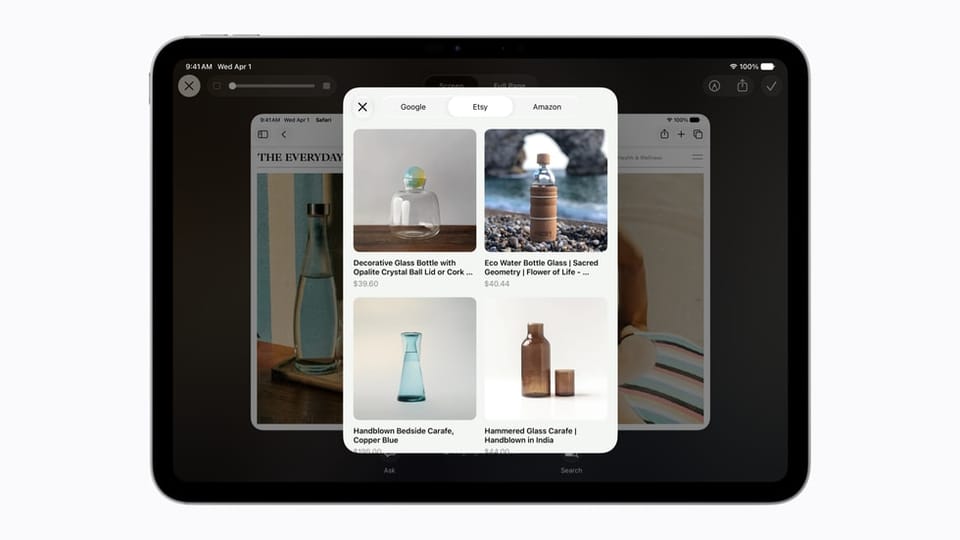
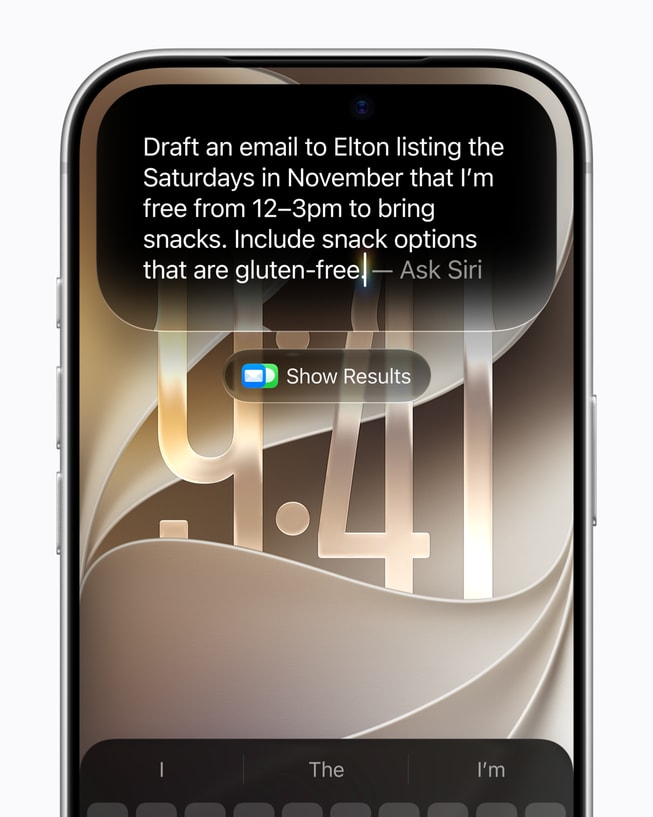
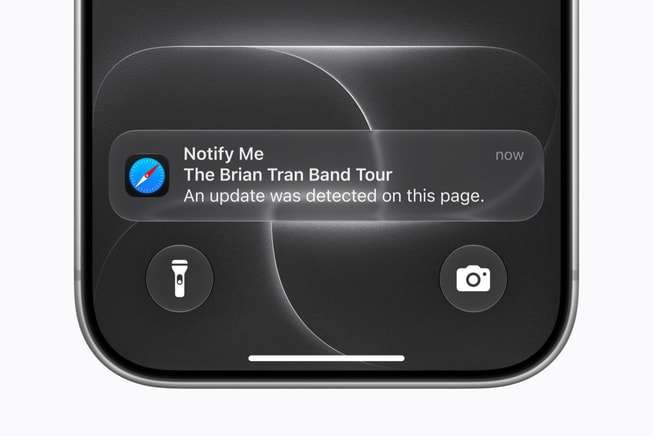
According to Apple's announcement, Siri AI brings personal-context understanding, broader world knowledge, awareness of what is on your screen, and a wider range of actions inside apps. We tracked the earlier testing phases in our report on the iOS 27 Siri public beta, if you want the feature side of this saga rather than the legal side.
Source: Apple Newsroom
The Fine Print, Stated Plainly
Three honest caveats belong in any accurate Apple Siri settlement claim guide, and they are the difference between useful advice and hype.
This is US-only. The lawsuit covers US residents. Expats, international students, and work-visa holders living in the US qualify. People who bought their iPhone anywhere else — including US citizens living abroad — do not. No exceptions have been announced.
The amount can move. The $25 per device is an estimate built on expected claim volume. It can rise to $95 per device if fewer people file, or fall if claims exceed expectations. Treat anything above $25 as upside, not as the base case.
Apple denies wrongdoing. Settling is not an admission of guilt, and Apple has formally denied any wrongdoing in this case. The company agreed to pay $250 million to end the litigation, which is a business decision to avoid a longer, riskier trial — not a confession. That framing matters if you are trying to understand what actually happened.
It is also worth being honest about scale. $25 is a nice refund on a premium phone, but it is not life-changing money. The reason to file is that it takes ten minutes, costs nothing, and holds a company to the promises in its marketing. Class actions only work when eligible buyers actually submit claims; a fund that goes unclaimed sends the message that delayed features carry no cost.
And a note on expectations for the process itself. Millions of people likely bought qualifying iPhones during the purchase window, so expect the payout to take time after the deadline passes. If your contact details change between filing and payment — a new email, a move abroad — update them with the administrator. Checks and electronic payments that bounce back sit unclaimed.
Source: Apple Newsroom
Common Filing Mistakes to Avoid
Most rejected claims fail for boring, avoidable reasons. Watch for these:
- Missed deadline. December 21, 2026 is final. There is no late window, no appeal for stragglers.
- Wrong serial number. A typo in the serial invalidates the claim for that device. Copy it from Settings, do not type it from memory.
- Claiming an ineligible device. Regular iPhone 15 and iPhone 15 Plus models are not on the list — only the Pro and Pro Max variants, plus all iPhone 16 models.
- Assuming residency does not matter. If you bought the phone in the US but were never a US resident, read the settlement site's exact residency terms before filing.
- Expecting exactly $25 per phone. The final number depends on total claims and can land anywhere up to $95 or below $25.
- Ignoring the confirmation. Save or screenshot your submission confirmation. If a dispute arises, that confirmation is your proof of a timely claim.
- Paying someone to file. The claim form is free. Third-party "filing services" that charge a fee are cashing in on your paperwork, nothing more.
FAQ
Who qualifies for Apple's Siri AI settlement?
US residents who bought an iPhone 15 Pro, iPhone 15 Pro Max, or any iPhone 16 model between June 10, 2024 and March 29, 2025. International students and expats living in the US during that window qualify; buyers outside the US do not.
How much will I get from the Apple Siri settlement?
The estimate is $25 per eligible device. Depending on how many people file, the amount can rise to a maximum of $95 per device or fall below $25. The total fund is $250 million.
How do I file a claim in Apple's $250M settlement?
Go to the official settlement site (smartphoneaisettlement.com), enter your name, contact details, and iPhone serial number for each eligible device, and submit. The form is free and takes about ten minutes. Keep your confirmation.
What is the deadline for the Apple Siri settlement claim?
December 21, 2026. The claims window opened on September 21, 2026, and there is no extension for late filings.
Which iPhone models are eligible for the Siri payout?
Only three device families: iPhone 15 Pro, iPhone 15 Pro Max, and every iPhone 16 model (standard, Plus, Pro, Pro Max). The base iPhone 15 and iPhone 15 Plus are excluded, as are all earlier iPhones.
Why did Apple settle the Siri AI lawsuit?
Apple was sued over claims that WWDC 2024 marketing created a "clear and reasonable consumer expectation" that AI-powered Siri would ship with the iPhone 16, branded "built for Apple Intelligence." The features arrived late, finishing with the iOS 27 rollout on September 14, 2026. Apple settled for $250 million while formally denying any wrongdoing.
Your Claim Checklist
Run through this list today and your claim is as safe as it can be:
- Confirm your model: iPhone 15 Pro, iPhone 15 Pro Max, or any iPhone 16.
- Confirm your purchase date falls between June 10, 2024 and March 29, 2025.
- Confirm you were a US resident at the time of purchase.
- Copy your serial number from Settings, then General, then About.
- File at the official settlement site, smartphoneaisettlement.com.
- Save your confirmation screen or email.
- Mark December 21, 2026 on your calendar as the absolute cutoff — but file this week, not in December.
The irony of this settlement is hard to miss: the Siri features that triggered the lawsuit finally shipped this month, while the AI frontier sprinted on elsewhere — our coverage of OpenAI's GPT-6 Sol and Luna launch and Anthropic's Claude Opus 5.5 report show how fast the rest of the industry moved while Siri stood still. If this saga convinced you to build your own AI workflow instead of waiting on any one company, Truescho's AI tools is a good place to see what is available now.
Sources
- The Verge — Apple Siri settlement claims now open — launch-day reporting quoting the settlement site verbatim
- MacRumors — Apple's $250M Siri settlement — first outlet to report the settlement terms and eligibility window
- Apple Newsroom — Siri AI, a profoundly more capable and personal assistant, is here — official September 14, 2026 announcement of Siri AI in the 2027 software updates